
Beyond trekking, discover the magic of Himalayas through ourcurated premiumoutdoor experiences
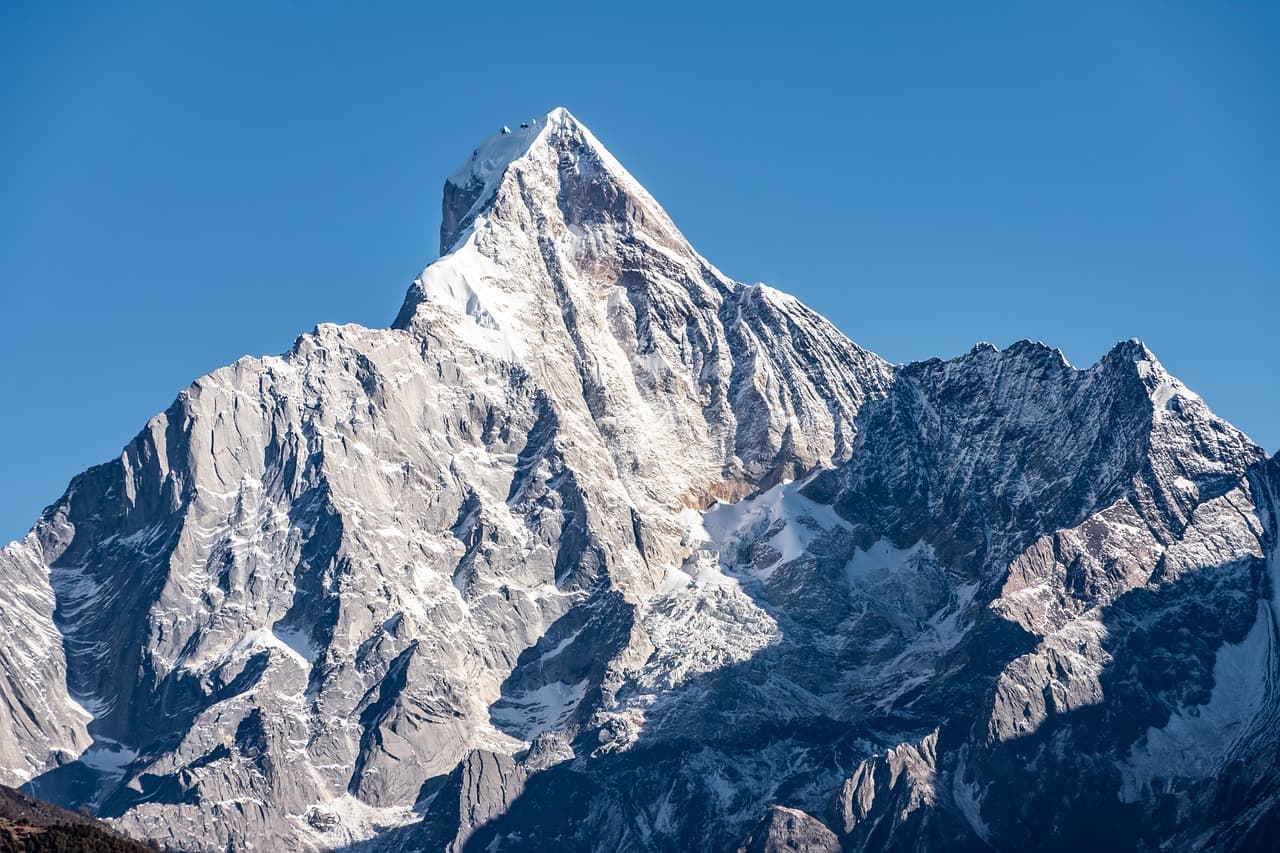
The Uttarkashi-adjacent region of Chamba in Uttarakhand is a microcosm of the Himalayan foothills’ ecological diversity and cultural heritage. Situated along the Mussoorie–Chamba Road, this landscape encompasses pine-forested slopes, terraced agricultural fields, and clear mountain streams that reflect centuries of human–environment interaction. Historically serving as a transit junction between the Garhwal plains and high-altitude pilgrimage routes, Chamba has evolved into a budding tourist hub, offering a range of accommodations from heritage farmstays to adventure camps. This report synthesizes geographical, cultural, infrastructural, and sustainability dimensions, weaving in on-the-ground data about lodging, dining, and attractions. The aim is to provide an expert-level yet accessible overview for academics, planners, and discerning travelers interested in Chamba’s developmental trajectory.
Vishwanath Temple Perched at an altitude of approximately 1,319 meters in the Garhwal Himalayas, Guptkashi is a picturesque town located in the state of Uttarakhand, India. This serene locale is not only known for its breathtaking natural landscapes but also serves as a vital pilgrimage destination for thousands of visitors each year. Its geographical positioning makes it an ideal stopover for those journeying to the revered temples of Kedarnath and other sacred sites in the region. The name ‘Guptkashi’ translates to ‘Hidden Kashi’, paying homage to its spiritual significance that draws parallels to the revered city of Varanasi (Kashi). Historically, it is believed that Lord Shiva concealed himself here from the Pandavas, making this town a crucial part of Hindu mythology. As such, Guptkashi Uttarakhand stands as an essential site for devotees and travellers alike, seeking spiritual solace and a deeper connection with the divine. Visitors to Guptkashi Uttarakhand are often enchanted by its awe-inspiring views of the snow-capped peaks and lush green valleys that surround the area. The climate, characterized by cool summers and harsh winters, further enhances its appeal as a travel destination year-round. Besides its rich spiritual heritage, Guptkashi Uttarakhand is also home to several temples, including the famous Vishwanath Temple, which attracts pilgrims seeking blessings and performing rituals. The town’s ambiance combines a sense of peace, adventure, and spirituality, making it a unique entry point into the majestic Himalayas. As we delve deeper into the various aspects surrounding Guptkashi Uttarakhand, its historical narratives and cultural tapestry will reveal a broader picture of this region’s significance. Whether you are a pilgrim or a tourist, Guptkashi Uttarakhand will undoubtedly leave an indelible mark on your journey through the Himalayas.
Valley Of Flowers The Valley of Flowers, nestled within the Nanda Devi Biosphere Reserve in Uttarakhand, India, stands as a testament to nature’s splendor. Recognized as a UNESCO World Heritage Site, this remarkable valley enchants visitors with its breathtaking landscapes, vibrant meadows, and diverse flora. The trek through the valley, particularly between June and September, reveals a riot of colors as a vast array of flowers bloom, providing a mesmerizing spectacle that draws nature enthusiasts and trekkers from all corners of the globe. The region is home to an impressive variety of plant species, making it a hotspot for biodiversity. Among these are several rare and endangered species, which add to the ecological significance of the valley. Travelers who make the journey find themselves surrounded not only by eye-catching vistas but also by the serene ambiance of the Himalayas, creating an unforgettable experience. The blend of adventure and tranquility in this UNESCO-listed site offers a unique opportunity for trekkers and explorers alike to immerse themselves in nature. For those contemplating a visit, understanding how to reach the Valley of Flowers from Delhi is crucial. The journey involves multiple stages, combining various modes of transportation, from trains and buses to treks through picturesque landscapes. Each step brings adventurers closer to the heart of this floral paradise. Planning and preparation are key to ensuring a smooth journey, allowing one to fully appreciate the changing scenery and rich biodiversity en route. In light of this, readers are encouraged to embark on this enthralling journey and experience the Valley of Flowers, ensuring memories that will last a lifetime.
Ramgarh Uttarakhand Ramgarh Uttarakhand, nestled in the Kumaon region of Uttarakhand, is a hidden gem often lauded for its captivating scenery and serene ambiance. This picturesque hill station, situated at an altitude of approximately 1,751 meters, offers breathtaking views of the surrounding mountains and valleys. Known as the ‘fruit bowl of Kumaon,’ Ramgarh is famous for its abundant orchards rich in apples, peaches, and plums, which thrive in the region’s temperate climate. The lush greenery and tranquil surroundings make it a perfect getaway for those seeking solace away from the hustle and bustle of city life. The appeal of Ramgarh Uttarakhand is further enhanced by its diverse flora and fauna, drawing nature enthusiasts and adventure seekers alike. Visitors can indulge in a range of outdoor activities, such as trekking, bird watching, and exploring the picturesque trails that meander through the scenic landscape. These experiences are complemented by the warm hospitality of the locals, who contribute to the area’s charm. The simplicity of village life, coupled with the striking beauty of the hills, creates an irresistible allure for tourists and those looking to escape the clamor of urban environments. As you venture into Ramgarh Uttarakhand, you will discover not only its breathtaking beauty but also its rich cultural heritage. The region is steeped in traditional practices and local stories that resonate with visitors. This blend of natural splendor and cultural richness makes Ramgarh a unique destination in Uttarakhand. In summary, the combination of serene landscapes, fertile orchards, and a peaceful atmosphere firmly establishes Ramgarh Uttarakhand as a must-visit hill station for anyone looking to immerse themselves in the tranquility of nature.
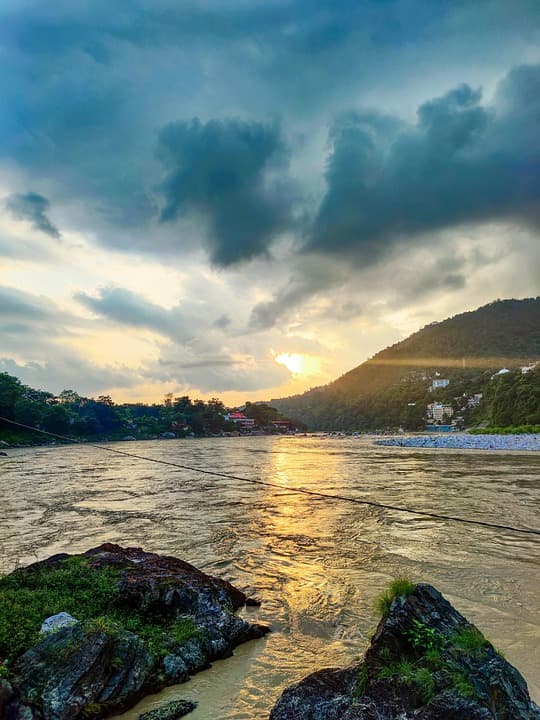
Dhanaulti Uttarakhand Photo by Amit Kumar on Unsplash Dhanaulti Uttarakhand is a serene hill station nestled in the Tehri Garhwal district of Uttarakhand, India. Positioned at an elevation of approximately 2,286 meters (7,470 feet) above sea level, this tranquil destination offers breathtaking views of the majestic Himalayas. Dhanaulti’s charm lies not only in its height but also in its proximity to more renowned tourist spots such as Mussoorie and New Tehri, making it an idyllic retreat for those seeking solitude and peace away from the bustling crowds. Renowned for its natural beauty, Dhanaulti Uttarakhand is characterized by dense forests of deodar, oak, and pine trees, which create an atmosphere perfect for relaxation and rejuvenation. The crisp mountain air and the scenic backdrop of snow-capped peaks draw visitors who wish to escape the chaos of city life. This hidden gem has become a haven for nature enthusiasts, trekkers, and those seeking a quiet getaway to enjoy the wonders of the Himalayas. Besides its stunning landscapes, Dhanaulti Uttarakhand also boasts a rich cultural heritage, offering a glimpse into the way of life in the Garhwal region. Visitors can engage with local traditions, explore nearby temples, and indulge in authentic Garhwali cuisine. The gentle climate throughout the year, coupled with the abundance of flora and fauna, enhances the allure of this destination and supports a variety of outdoor activities such as hiking, bird watching, and camping. In essence, Dhanaulti Uttarakhand, presents an unspoiled environment perfect for those seeking a tranquil escape. Its picturesque surroundings, combined with the serenity of the mountains, make it an ideal location for travelers looking to connect with nature and appreciate the richness of the Himalayas. As we delve deeper into this enchanting location, we will uncover more about the experiences that await in Dhanaulti.

meerut to hemkund sahib distance Meerut to Hemkund Sahib distance is an important factor for those planning this spiritual journey. Approximately, the distance is around 500 kilometers, whether traveled by road or rail. The journey offers an assortment of scenic landscapes as one traverses from the plains of Meerut, located in the state of Uttar Pradesh, to the majestic mountains of Uttarakhand where Hemkund Sahib is situated at an elevation of about 4,632 meters above sea level. Travelers can opt for several routes to cover the Meerut to Hemkund Sahib distance efficiently. The most common route includes traveling from Meerut to Haridwar, followed by a journey to Joshimath, and finally to Hemkund Sahib. This route not only ensures a gradual ascent into the mountains but also provides the opportunity to visit historic and cultural sites, such as Haridwar, known for the Ganga Aarti, and Joshimath, a sacred town steeped in mythology. For those who prefer rail travel, one can catch a train from Meerut to Rishikesh or Haridwar and then continue the journey by road. The railway network in India offers convenient connectivity to these stations, and the subsequent drive from Rishikesh or Haridwar to Joshimath is picturesque, nestled among lush greenery and rivers. In addition to the conventional routes, there are options for shared taxis or private vehicles that add to the flexibility when determining the best means of travel. Key landmarks and waypoints along the journey provide a rich experience for travelers. Notable stops include Rishikesh, renowned for yoga and spiritual retreats, and Auli, known for its skiing slopes. Understanding the distance and the various routes not only aids in planning the journey but also enriches the travel experience as one prepares to visit the revered Hemkund Sahib.
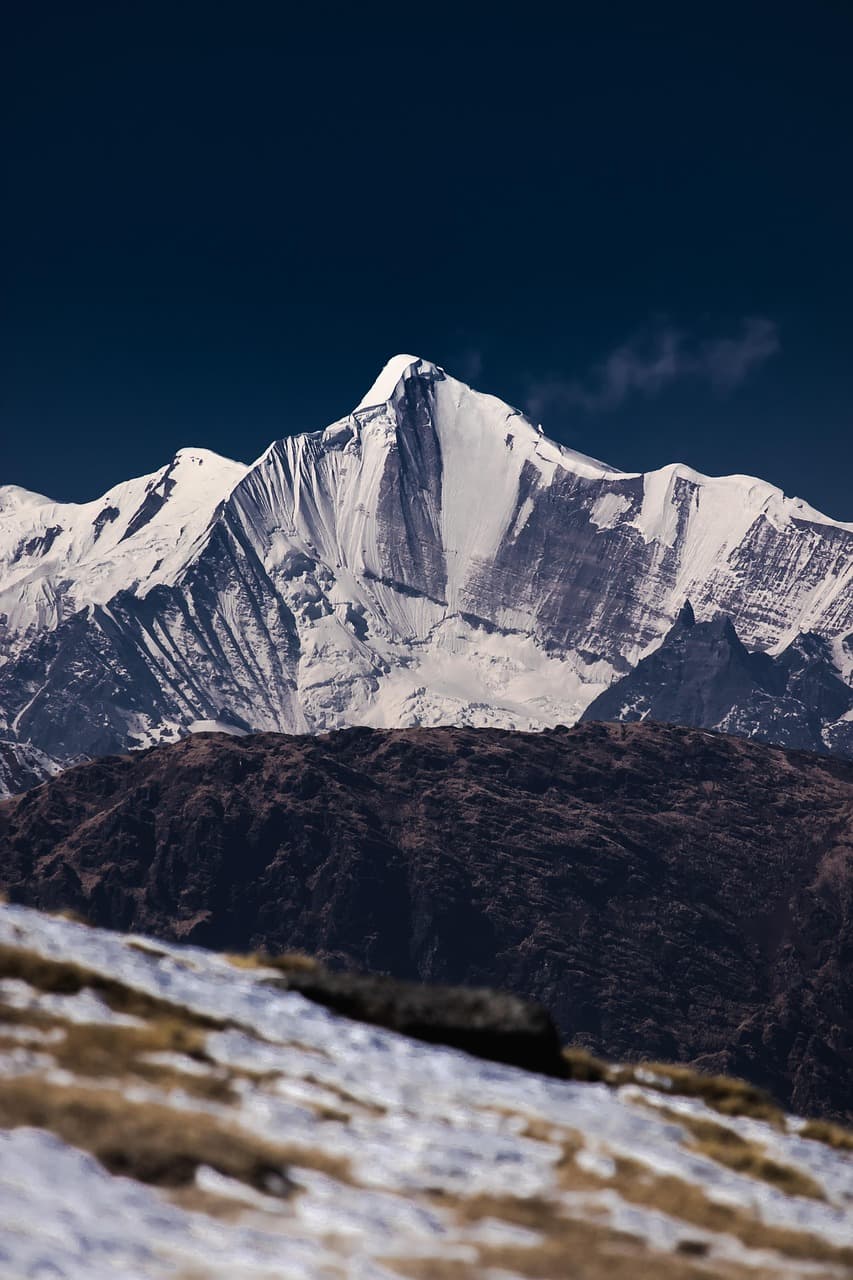
Uttarakhand, situated in the northern part of India, is a state renowned for its breathtaking natural beauty and profound spiritual significance. Nestled in the lap of the majestic Himalayas, it serves as a bridge between nature and spirituality. The geography of Uttarakhand is marked by varied landscapes, from lush green valleys to steep mountains, making it an attractive destination for nature enthusiasts. Its location also endows it with a diverse climate, influencing the best time to visit Uttarakhand, which typically spans from March to June and September to November. This state is often referred to as “Devbhumi,” meaning “Land of the Gods,” due to its rich array of Hindu pilgrimage sites. The sacred rivers, ancient temples, and serene lakes establish Uttarakhand as a spiritual haven for those seeking solace and enlightenment. Popular religious spots include Haridwar and Rishikesh, which attract a plethora of visitors each year, underscoring the cultural importance of the region. Moreover, Uttarakhand is not just limited to mainstream tourist attractions. The uttarakhand tourist map reveals numerous offbeat places in Uttarakhand, where travelers can immerse themselves in tranquility away from the hustle of crowded destinations. From the serene valleys of Munsiyari to the unexplored trails of Chaukhamba, these hidden gems offer a unique glimpse into the lesser-known aspects of the state. With its topography characterized by diverse altitudes, Uttarakhand is home to some of the highest peaks in Uttarakhand, including Nanda Devi, the second-highest mountain in India. This aspect draws trekking enthusiasts and adventure seekers, providing them with opportunities to explore the unspoiled beauty of nature while embracing the cultural richness that defines the state.

Chandrashila Trek Chandrashila, meaning “Moon Rock,” is a revered summit with significant cultural and spiritual importance, located in the Indian state of Uttarakhand. This majestic peak rises to an impressive height of approximately 3,690 metres (12,143 feet) above sea level, securing its status as one of the prominent trekking destinations in the region. Nestled within the Garhwal Himalayas, the Chandrashila trek offers an unforgettable experience while providing breathtaking views of the surrounding mountain ranges, including Nanda Devi and Trishul. Chandrashila Trek Geographically, Chandrashila is situated just above the iconic Tungnath Temple, which is one of the highest Shiva temples in the world. The proximity of the two makes the Chandrashila trek an essential pilgrimage for devotees and adventure enthusiasts alike. Pilgrims often make their way to Tungnath, and from there, embark on a well-marked trekking path that leads up to Chandrashila. This trek is relatively accessible, attracting both seasoned trekkers and those seeking a spiritual journey amidst stunning natural landscapes. The significance of Chandrashila extends beyond its physical allure. It holds deep religious connotations, as it is believed to be the location where Lord Rama meditated after defeating the demon king Ravana in the epic Ramayana. Aside from its importance to believers, the region is known for unique flora and fauna and offers a diverse hiking experience. As trekkers ascend to the summit, they encounter varying temperatures and weather conditions, making it essential to prepare adequately for any changes. Understanding Chandrashila’s climatic patterns, such as the variation in temperature and weather, can enhance the overall trekking experience. In essence, the Chandrashila trek not only serves as an adventure into the heights of the Himalayas but also provides a spiritual and cultural voyage, making it a treasured destination for many.
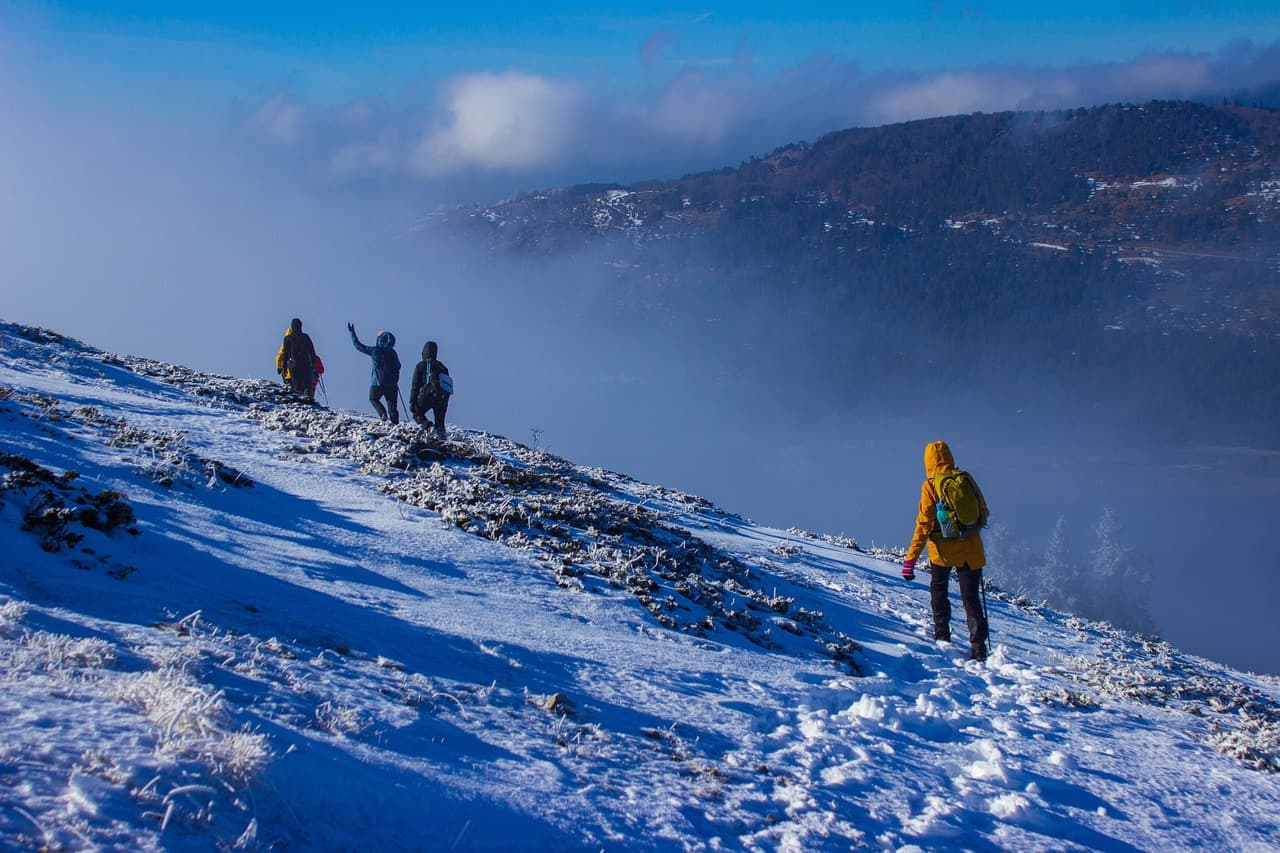
Trekking Clothes The Importance of Moisture-Wicking Fabrics When it comes to trekking, the choice of trekking clothes can have a significant impact on comfort and performance. One of the most vital elements in suitable trekking apparel is the use of moisture-wicking fabrics. Unlike traditional cotton materials, which tend to absorb moisture, moisture-wicking fabrics are designed to pull sweat away from the skin and promote quicker evaporation. This characteristic makes them immensely advantageous for outdoor activities, where temperature control and comfort are paramount. Cotton is a common fabric used in many clothing items; however, it has notable drawbacks when employed in trekking attire. When cotton becomes wet, whether from sweat or external sources like rain, it retains moisture, causing the fabric to feel heavy and damp against the skin. This can lead to feelings of discomfort and a higher risk of chafing, particularly when engaging in prolonged physical activities in varying weather conditions. In contrast, synthetic materials such as polyester and nylon offer superior moisture management capabilities, ensuring that trekkers remain dry and comfortable. The effectiveness of moisture-wicking fabrics lies in their unique structure, which helps facilitate the movement of sweat away from the body. This type of fabric typically employs advanced technology to enhance breathability and promote heat dissipation. By doing so, these materials help maintain a comfortable body temperature, reducing the chances of overheating during intensive physical exertion. Furthermore, many moisture-wicking fabrics come with additional properties such as anti-odor treatments and UV protection, making them a reliable choice for any trekking enthusiast. Ultimately, selecting clothing made from moisture-wicking fabrics can elevate the overall trekking experience, ensuring that the individual remains dry, comfortable, and focused on the trail ahead.
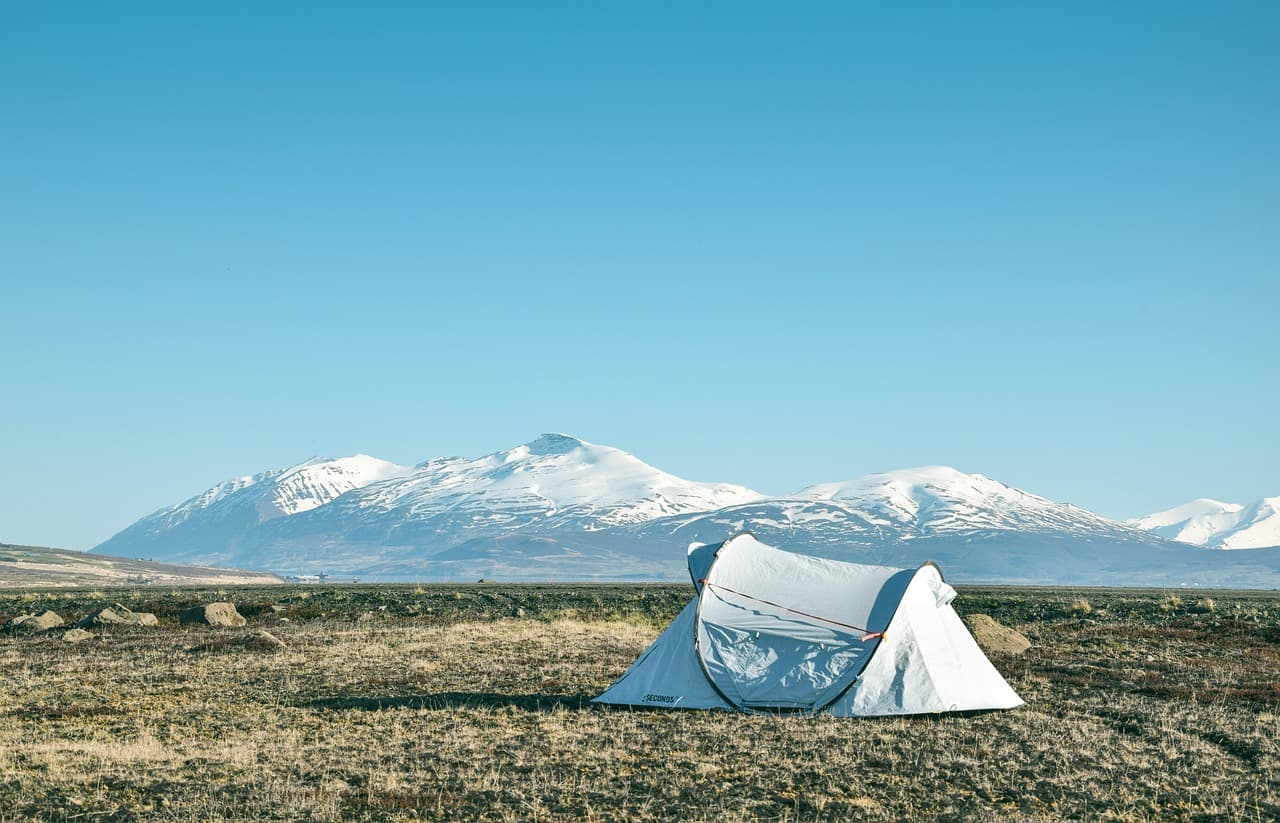
Summer Camps in Uttarakhand Summer camps in Uttarakhand have emerged as a vital component of childhood development for children aged 10 to 12. These camps provide an immersive experience, combining educational opportunities and recreational activities in a picturesque natural setting. The landscape of Uttarakhand, characterised by its lush greenery and scenic mountains, offers the perfect backdrop for children to explore and grow. One of the primary benefits of summer camps in uttarakhand is the holistic skill development they offer. Children can engage in various activities, from adventure sports to arts and crafts, encouraging creativity and physical fitness. These experiences are tailored to cater to the interests and developmental needs of pre-teens, making them not only educational but also enjoyable. In addition, these camps often focus on teamwork and collaboration, skills that are crucial for social development. As children participate in group activities and projects, they learn valuable lessons about communication and cooperation. Moreover, summer camps in Uttarakhand facilitate significant social interaction among peers. Being away from their regular environment allows children to forge new friendships, building lasting bonds with fellow campers who share similar interests. This social aspect is particularly beneficial during the critical phase of development, as children aged 10 to 12 begin to establish their identities and social networks. Finally, the exposure to nature that summer camps in uttarakhand provide cannot be overstated. Engaging with the outdoors nurtures a sense of adventure and curiosity about the world. Activities like hiking, bird-watching, or nature studies foster an appreciation for the environment, instilling values such as responsibility and conservation in young minds. In essence, summer camps in Uttarakhand serve as a multifaceted platform for personal growth, creating a conducive environment where children aged 10-12 can thrive both socially and emotionally.
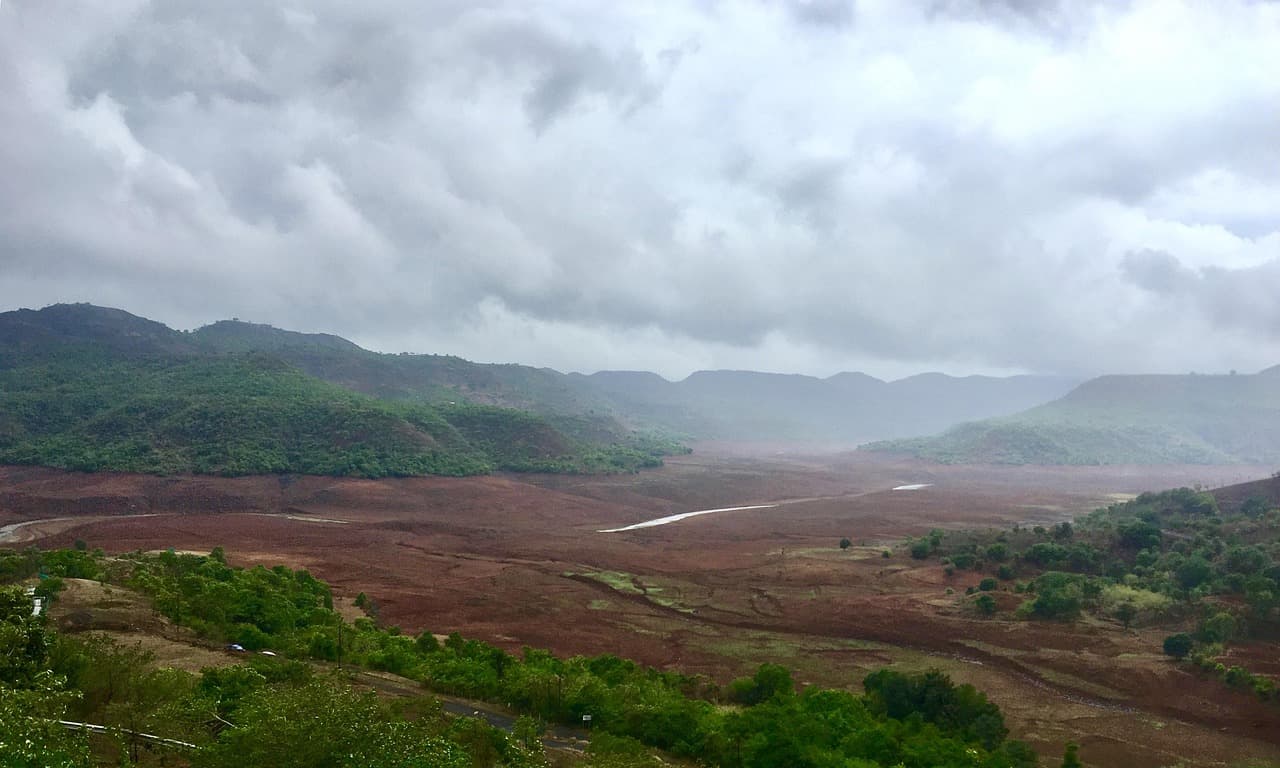
Image by Pavan Prasad from Pixabay The best monsoon season in India, particularly in July, is a pivotal time marked by increased rainfall and significant climatic changes across the country. Typically, the southwest monsoon progresses into India around early June, with July being one of the peak months for precipitation. This seasonal shift not only rejuvenates the environment but also influences travel plans for tourists seeking to explore India’s diverse landscapes. The best benefits of visiting India during July are manifold. First and foremost, the lush greenery that blankets the land creates a picturesque backdrop, ideal for photography and nature enthusiasts. The transforming scenery offers travelers an extraordinary experience, showcasing India’s natural beauty in its most vibrant form. Furthermore, with the tourist influx generally decreasing due to the weather, visitors can enjoy popular destinations with significantly fewer crowds, allowing for a more intimate and serene travel experience. From a financial perspective, July often brings enticing discounts on accommodations and travel packages. As the demand typically wanes, savvy tourists can take advantage of lower prices, making travel more accessible without compromising on quality. However, despite these appealing facets, it is essential to acknowledge the potential challenges that the monsoon season presents. Heavy rainfall can lead to flooding in certain regions, disrupting transportation services and necessitating preparedness for unexpected delays. Moreover, some remote areas may become inaccessible due to adverse weather conditions, particularly those relying on road transport. As travelers consider visiting India in July, it is paramount to strike a balance between embracing the natural allure of the monsoon and being mindful of the practical aspects of travel. By understanding the unique dynamics of this season, visitors can prepare adequately, ensuring an enriching and memorable journey through the diverse landscapes of India.

Andherban Trek Credits: Instagram Andharban, often referred to as the “Dark Forest,” is a captivating trekking destination nestled in the Western Ghats, Maharashtra. This scenic trail is situated approximately 60 kilometers from Pune and is part of the larger biodiversity hotspot that features a plethora of flora and fauna. Andharban is renowned for its lush greenery, exhilarating terrain, and stunning viewpoints that collectively make it a magnet for adventure enthusiasts and nature lovers alike. Click 'I agree' to enable Youtube I agree The significance of Andharban as a trekking site lies not just in its natural beauty but also in the unique ecosystem that thrives within its bounds. The trail spans about 13 kilometers and takes trekkers through some of the most picturesque landscapes characterized by dense overgrowth, roaring streams, and verdant valleys. Hikers are often enveloped in a serene ambiance, the air filled with the sounds of chirping birds and rustling leaves, enhancing the overall trekking experience. As trekkers navigate this forested path, they encounter multiple highlights such as meandering streams, imposing waterfalls, and stretches of mossy stones that contribute to the mystical charm of Andharban. The trail is characterized by a contrast of sunlight and shade created by towering trees, each moment revealing yet another breathtaking aspect of the trail’s captivating scenery. The rich biodiversity includes various species of plants and animals, offering a chance for close encounters with the natural world, making Andharban a rewarding experience for those who venture its paths. Overall, Andharban promises an adventure that is both rejuvenating and soul-stirring, making it a must-visit destination for trekking aficionados.
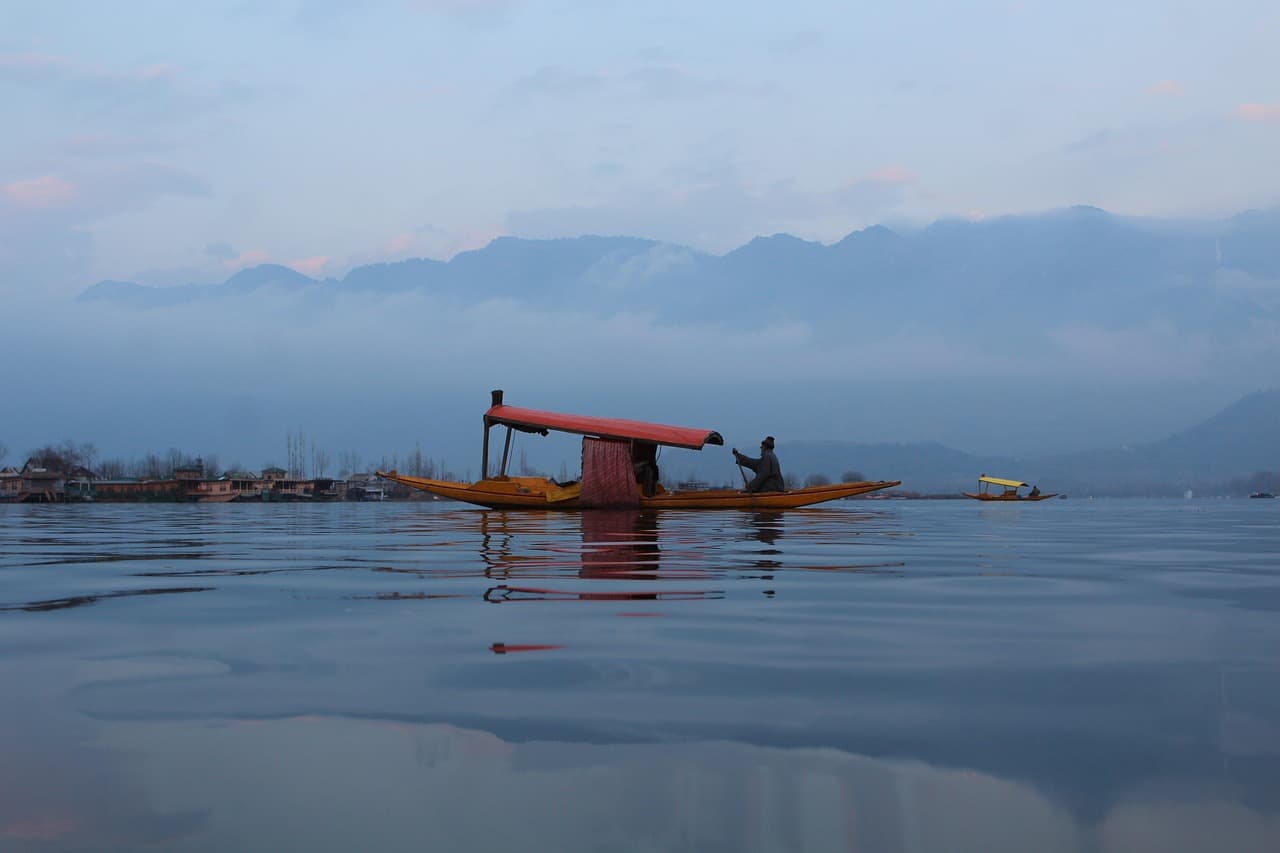
Kashmir Great Lakes Trek The Kashmir Great Lakes Trek is one of the most stunning high-altitude treks in the Himalayas, renowned for its pristine alpine lakes, vast meadows, and panoramic mountain vistas. This multi-day adventure takes trekkers through diverse landscapes in the Kashmir Valley, offering a blend of challenging terrain and breathtaking natural beauty. The trek features a series of turquoise-blue glacial lakes nestled among rolling meadows and snow-capped peaks, creating a trekking experience that showcases some of the finest landscapes in the Indian Himalayas.
Hemkund Sahib Distance Photo by Lay Naik on Unsplash Hemkund Sahib, located in the picturesque Himalayas of Uttarakhand, serves as a significant pilgrimage site for Sikhs and travelers seeking spiritual solace amid nature’s beauty. The name “Hemkund” translates to “Lake of Ice,” reflecting the serene glacial lake that lies at an altitude of approximately 4,632 meters. This sacred destination is not just a site for worship but also a place imbued with breathtaking scenic vistas, which attract visitors from diverse backgrounds. The history of Hemkund Sahib is deeply rooted in Sikhism, particularly through the revered figure of Guru Gobind Singh, the tenth Guru of the Sikhs. According to tradition, it is believed that he meditated at this tranquil location during his previous incarnation. The purpose of establishing a Gurudwara at this site was to commemorate his teachings and provide a place for devotees to reflect and connect with their faith. Travelers are drawn to Hemkund Sahib for various reasons, including its spiritual significance, the chance to undertake a physically challenging trek, and the opportunity to immerse themselves in the stunning natural surroundings. The pilgrimage attracts thousands of visitors annually, especially during the summer months when the weather is more favorable for travel. The journey entails a trek that typically starts from Gobindghat, covering a distance of about 19 kilometers. Along the route, hikers are treated to magnificent views of flora and fauna, adding to the site’s allure. In addition to its religious importance, Hemkund Sahib’s captivating landscape offers a unique chance for adventurers and nature enthusiasts to explore the pristine beauty of the Himalayas. The tranquil environment allows for self-reflection, making it a perfect retreat for those seeking peace and spiritual awakening amidst the majestic mountains.

Valley Of Flowers Photo by Akanksha Sharma on Unsplash How to reach Valley Of Flowers uttarakhand from delhi, nestled in the Indian Himalayas, is a breathtaking destination in Uttarakhand that has gained significant recognition for its extraordinary natural beauty and biodiversity. Declared a UNESCO World Heritage Site in 1988, this enchanting valley sprawls over 87.5 square kilometres and is located at a high altitude, ranging from 3,200 to 6,750 meters above sea level. It is renowned for its vibrant meadows adorned with many alpine flowers, making it a spectacular sight for nature enthusiasts and trekkers. The stunning landscapes of the Valley of Flowers offer visitors a unique opportunity to immerse themselves in a distinct ecosystem. This region showcases an impressive variety of flora, with over 500 blooming plants, including rare and endangered species such as the Himalayan blue poppy and the cobra lily. The diversity of the valley is not restricted to its flora; it is also home to numerous fauna, including snow leopards, black bears, and the elusive musk deer. Observing such wildlife in its natural habitat adds to the allure of this picturesque location. The best time to visit the Valley of Flowers is during the summer months, from June to September, when the flowers are in full bloom, transforming the valley into a vibrant tapestry of colours. The weather during this period is relatively mild, allowing trekkers to explore the scenic trails with ease. Additionally, the monsoon season helps sustain the lush greenery and the breathtaking waterfalls that cascade down the surrounding mountains, further enhancing the valley’s charm. Ultimately, the Valley of Flowers represents an irresistible adventure for nature lovers and trekkers seeking solace amidst the untouched beauty of the Himalayan landscape. Its unique combination of stunning views, rich biodiversity, and cultural significance makes it a must-visit destination for anyone travelling to Uttarakhand.
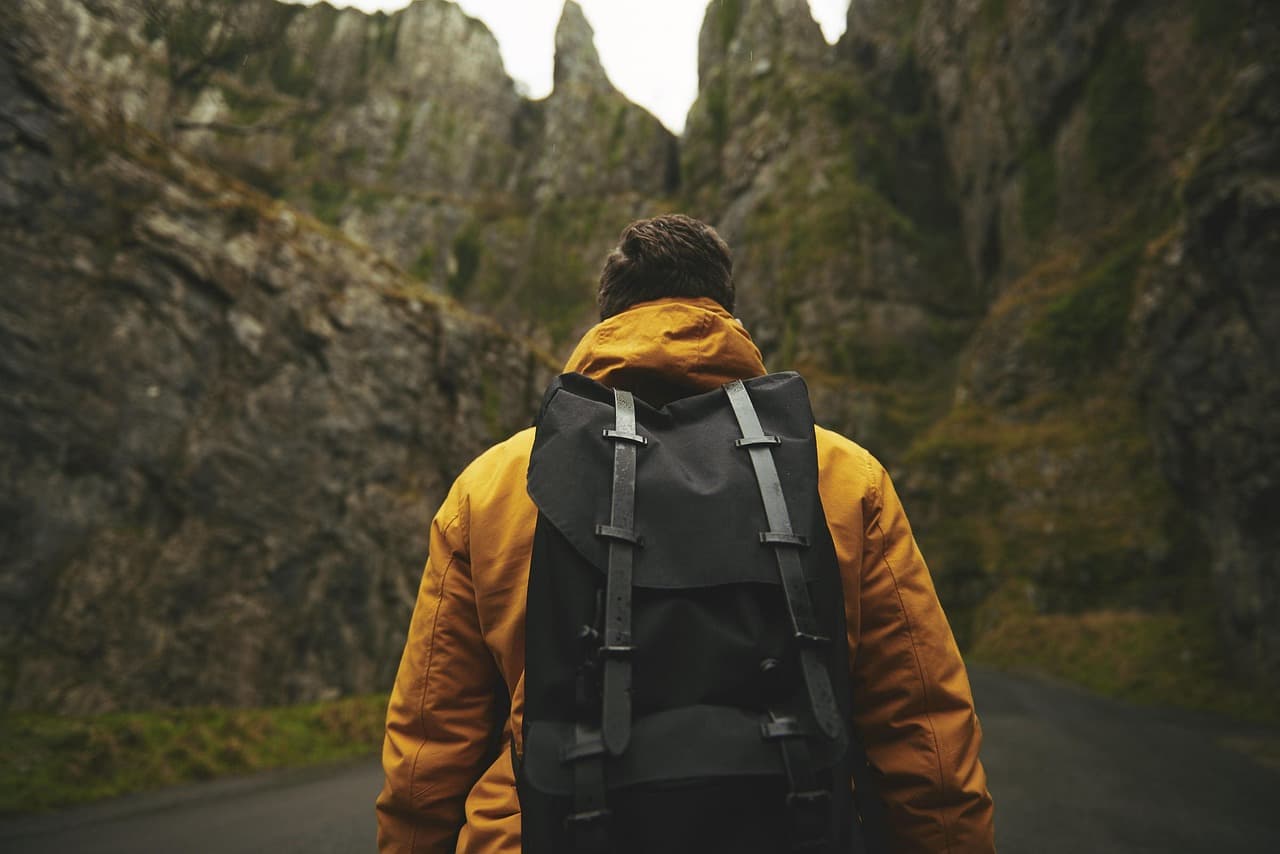
Backpacking Guide for Beginners Backpacking Guide for Beginners Backpacking guide for beginners can be an exciting and rewarding experience, but it requires preparation and the right gear. Here’s a comprehensive guide to help beginners get started:

Are you ready to embark on an unforgettable learning journey in the great outdoors? Our Outdoor School Adventure Activities Program offers students an exciting opportunity to connect with nature, develop necessary life skills, and build lasting memories. Outdoor School Learning Program