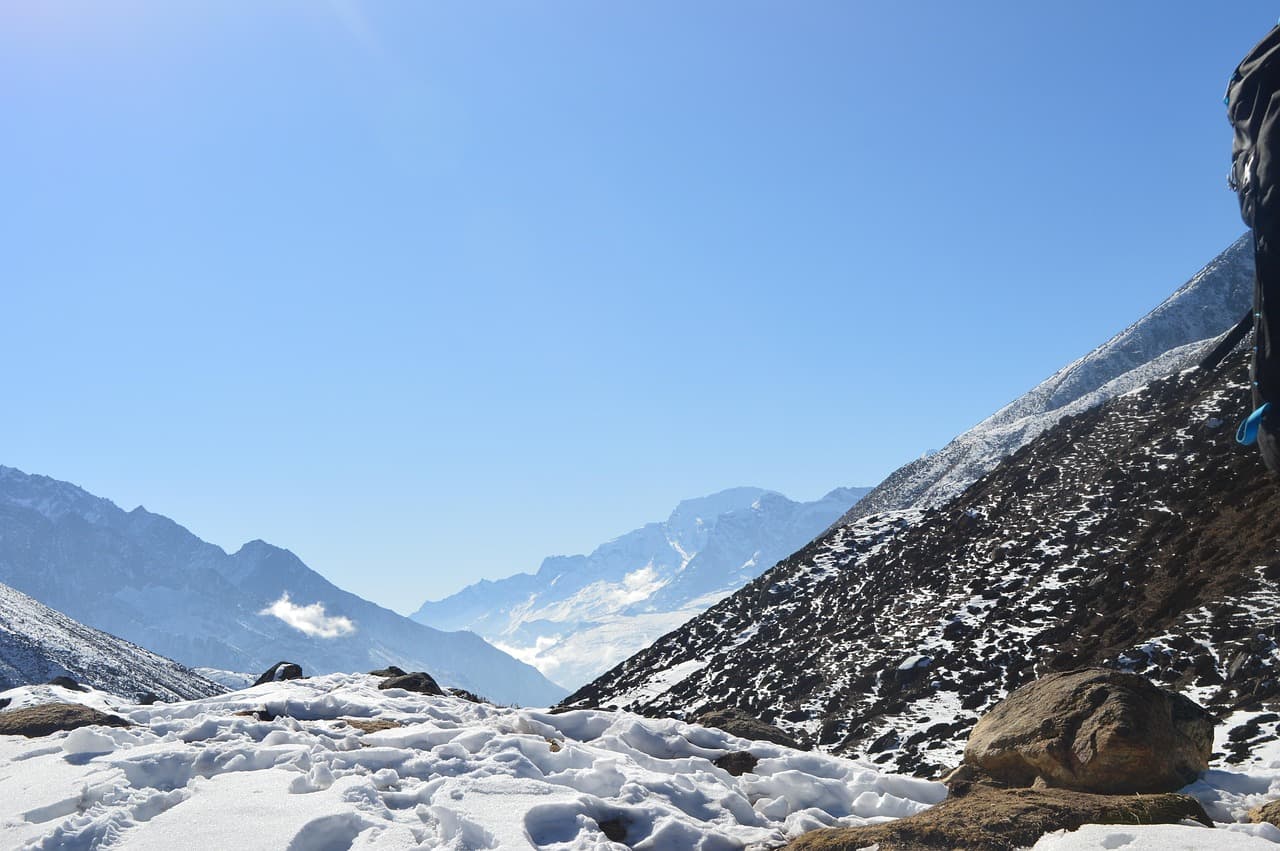
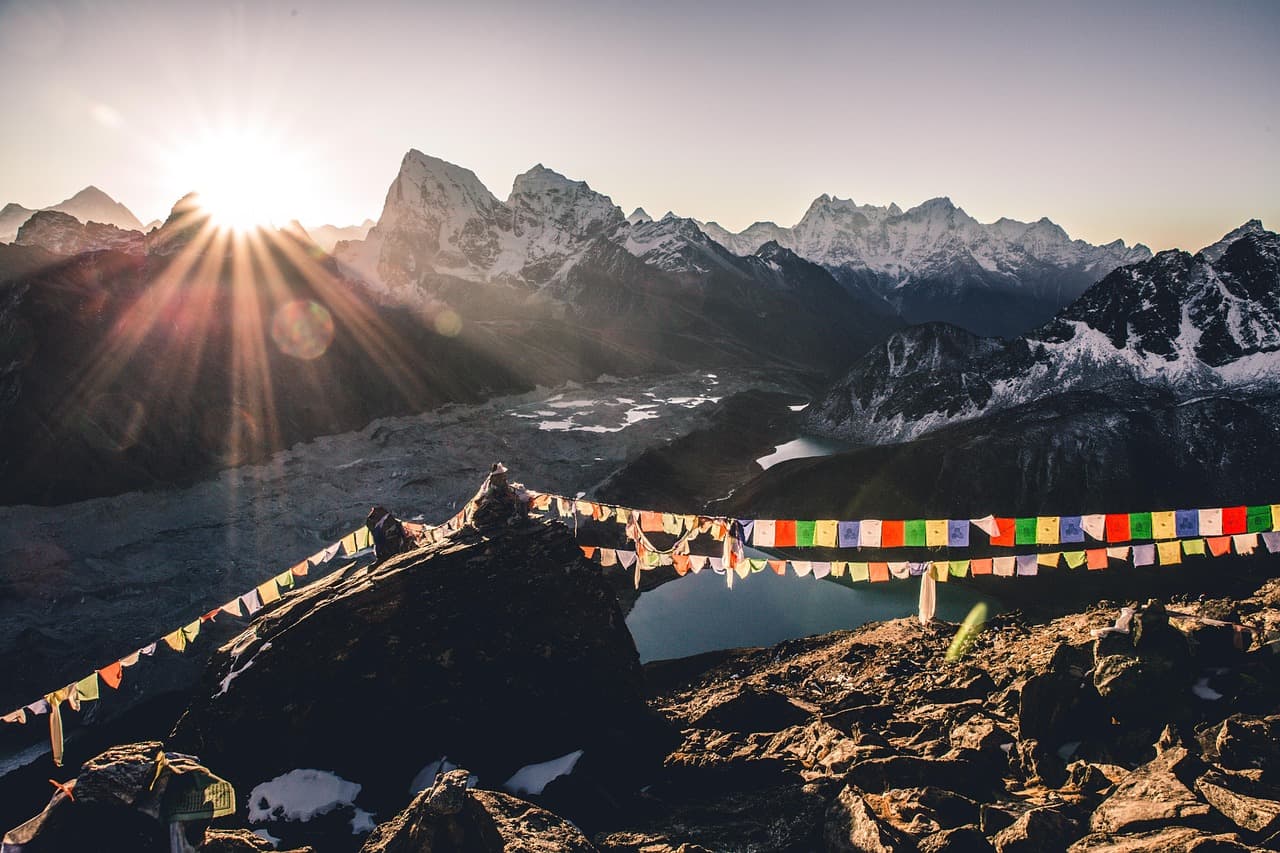
Main trek view
trek view
HomeTreksMayali Pass Trek

Mayali Pass Trek

Uttrakhand

Mayali Pass Trek is one of the most challenging and remote high-altitude treks in the Garhwal Himalayas of Uttarakhand. At an elevation of 5,300 meters (17,390 feet), this hidden gem was historically the preferred route for pilgrims traveling between Gangotri and Kedarnath. The trek spans approximately 90-100 kilometers over 10-12 days, making it suitable only for experienced trekkers with prior high-altitude experience. Located in the Bhilangana Valley, the trek offers spectacular views of prominent peaks including Thalay Sagar, Kedar Dome, Chaukhamba, and Neelkanth. The route passes through dense forests, alpine meadows, remote villages, and pristine high-altitude lakes including Masar Tal and Vasuki Tal.

Highlights

Key features and unique experiences

Two Sacred Alpine Lakes: Visit the high-altitude Masar Tal (4,590m) and the legendary Vasuki Tal (4,135m).
Khatling Glacier: Witness the massive glacier system that serves as the source of the Bhilangana River.
Massive Peak Panoramas: Unrivaled views of Thalay Sagar, Kedar Dome, Chaukhamba, Meru, and Sphetic Prishtwan.
Mayali Pass Challenge: Conquer the technical high-altitude crossing at an elevation of 5,300m.
Authentic Garhwali Culture: Trek through remote, traditional villages like Reeh and Gangi with unique wooden architecture.
True Wilderness: Experience one of the Himalayas' least crowded trails, offering deep solitude and technical terrain.
Technical Adventure: Navigate diverse landscapes including glacier traverses, boulder fields, and steep scree slopes.
10
days

Duration

Complete journey time

Perfect length
1120M
m

Altitude

Peak elevation

High altitude
Rooms/Tents
nights

Accommodation

Stay arrangement

Comfort stays
Difficult

Difficulty

Challenge intensity

Skill required

Detailed Itinerary

Travel: 183 km drive (8-9 hours) via Rishikesh. Experience the transition from the plains to the foothills as you reach the base village of Ghuttu.

Inclusions

Accommodation: 11 nights of stay in high-quality alpine tents (twin-sharing) and hotels/guest houses at base camps.

Meals: All nutritious vegetarian meals from Day 1 dinner to Day 11 breakfast, including high-altitude snacks and beverages.

Transportation: Pick-up and drop service from Dehradun/Rishikesh to the trek starting and ending points.

Permits: All necessary trekking permits, forest entry fees, and camping charges for the Uttarkashi and Rudraprayag forest divisions.

Technical Equipment: High-altitude sleeping bags (rated for -10°C), foam/insulated mattresses, gaiters, micro-spikes, and ropes for the pass crossing.

Professional Team: Certified experienced trek leader, local mountain guides, cook, and support staff.

Safety Gear: Comprehensive first-aid medical kit, emergency oxygen cylinders, and stretchers to handle high-altitude emergencies.

Common Luggage: Mules or porters to carry all common camping and kitchen equipment throughout the trek.

Exclusions

Transit Meals: Food during travel from Dehradun to the base camp (Ghuttu) and during the return journey from Gaurikund.

Personal Gear: Individual items such as trekking poles, high-ankle boots, rucksacks, and specialized clothing layers.

Backpack Offloading: Additional charges apply if you wish for a porter/mule to carry your personal rucksack (max 12kg).

Personal Expenses: Laundry, phone calls, tips for staff, snacks, bottled water, or any soft drinks.

Emergency Costs: Any expense arising from unforeseen circumstances like landslides, road blocks, or bad weather requiring extra days.

Insurance & Medical: Personal travel insurance and any specialized medical evacuations or hospitalizations.

Permits for Electronics: Forest department fees for carrying professional still or video cameras.

Packing Essentials

1
Summer (March-June)
Lightweight, breathable cotton clothing; long sleeves and pants for sun protection; wide-brimmed hat and sunglasses; light jacket for early morning safaris.
2
Winter (November-February)
Layered clothing system; warm jackets and sweaters; gloves for early morning photography; closed-toe shoes or hiking boots.
3
Essential Equipment
Camera with zoom lens and extra batteries; Binoculars for wildlife viewing; Insect repellent and sunscreen (high SPF); Small backpack; Water bottles and snacks; First aid kit; Portable power bank.
4
Footwear
Sturdy, closed-toe shoes or hiking boots with good grip for uneven terrain. Avoid high heels or open sandals.

Safety Considerations

1
Altitude Sickness & Acclimatization
Due to the rapid gain in elevation and the 5,300m pass crossing, proper acclimatization is critical. We include a mandatory acclimatization day at Chowki to monitor for symptoms of AMS (Acute Mountain Sickness).
2
Technical Terrain Protocol
The trek involves vertical boulder sections and glacier crossings. Rope work may be required depending on snow conditions. Always follow the trek leader's instructions and stay clipped in when advised.
3
Unpredictable Weather
At high altitudes like Mayali Pass, weather can change from clear to whiteout conditions within minutes. Our team carries GPS and radio equipment to navigate safely during low visibility.
4
Wildlife Awareness
The dense forests around Reeh and Gangi are known habitats for Himalayan Black Bears. Trekkers are advised to stay with the group and avoid walking alone during the early morning or late evening hours.
5
Glacier Safety
Crossing the Khatling Glacier requires caution due to hidden crevasses. Micro-spikes and gaiters are mandatory for traction on ice and deep snow sections.

Best Time to Visit

Ideal seasons and weather conditions

1
Optimal Seasons
The best windows are May-June (Pre-Monsoon) and September-October (Post-Monsoon)
2
Weather Conditions
Mild summer temperatures ranging from 10-20°C during the day and 5-10°C at night
3
Snow Conditions
Significant snow coverage and glacier ice possible at high altitudes even during summer months

Physical Requirements

1
Difficulty Level
Categorized as Challenging/Tough (Level 6), involving technical glacier and pass crossings
2
Prior Experience
Mandatory completion of at least 2 high-altitude treks ranging between 3,500m and 4,500m
3
Fitness Level
Requires high cardiovascular endurance, core strength, and physical flexibility for technical terrain
4
Age Range
Typically recommended for fit individuals within the 18-48 years age bracket

How to Reach

1
By Air
Fly into Jolly Grant Airport (DED) in Dehradun. From there, it's about a 183 km drive (8-9 hours) to reach the base camp at Ghuttu. You can easily find private cabs or pre-booked trekkers at the airport.
2
By Train
Take a train to Rishikesh or Dehradun railway station. These are the closest railheads. From the station, you can hop on a bus or a shared jeep heading towards Ghansali, then take a local taxi to Ghuttu village.
3
By Road
If you are driving from Delhi (about 370 km), head towards Rishikesh. From Rishikesh, follow the route via Chamba and Tehri to reach Ghuttu. The roads are winding but offer beautiful mountain views along the way.
4
The Return Journey
The trek ends at Gaurikund (near Kedarnath). To get back, take a local jeep to Sonprayag, where you can find plenty of buses and taxis heading back to Rishikesh, Haridwar, or Dehradun.

FAQ

Everything you need to know before booking

No, the Mayali Pass Trek is not safe for beginners. It is a technical expedition that requires prior experience of at least two week-long treks at altitudes ranging from 3,500m to 4,500m.

The trek typically takes 10-12 days to complete, covering a total distance of approximately 90-100 kilometers.

The highest point of the journey is the summit of Mayali Pass, situated at an elevation of 5,300 meters (17,390 feet).

The challenge lies in its technical terrain, which includes vertical boulder climbing, traversing the Khatling Glacier, navigating steep scree slopes, and managing unpredictable weather at high altitudes.

Yes, it is safe. Organized trek operators prioritize safety and provide shared tent accommodation with other female trekkers. Single occupancy tents can often be arranged upon request.

The ideal windows are Pre-Monsoon (May to June) and Post-Monsoon (September to October) when the skies are clear and the pass is accessible.

You need inner-line permits and forest department clearances. These are typically managed and included by the trek operator in your package.

Expedition teams carry comprehensive first aid kits, oxygen cylinders, and stretchers. They are trained in high-altitude sickness (AMS) management and emergency evacuation protocols.

Reserve Your Spot

58499per person
Secure Booking
Instant Confirmation

By booking, you agree to our Terms & Privacy Policy

Tailor Your Trip

Customize your trek with our experienced guides. Get personalized recommendations and answers to all your questions.

24/7 Support
Expert Guides
Free Advice

Major Attractions

Discover the must-visit places along your journey

15 attractions across 4 categories

Filter by Category

Masar Tal Lake

Nature#1

Vasuki Tal Lake

Nature#2

Khatling Glacier

Nature#3

Thalay Sagar Peak

Nature#4

Kedar Dome

Nature#5

Chaukhamba Massif

Nature#6