
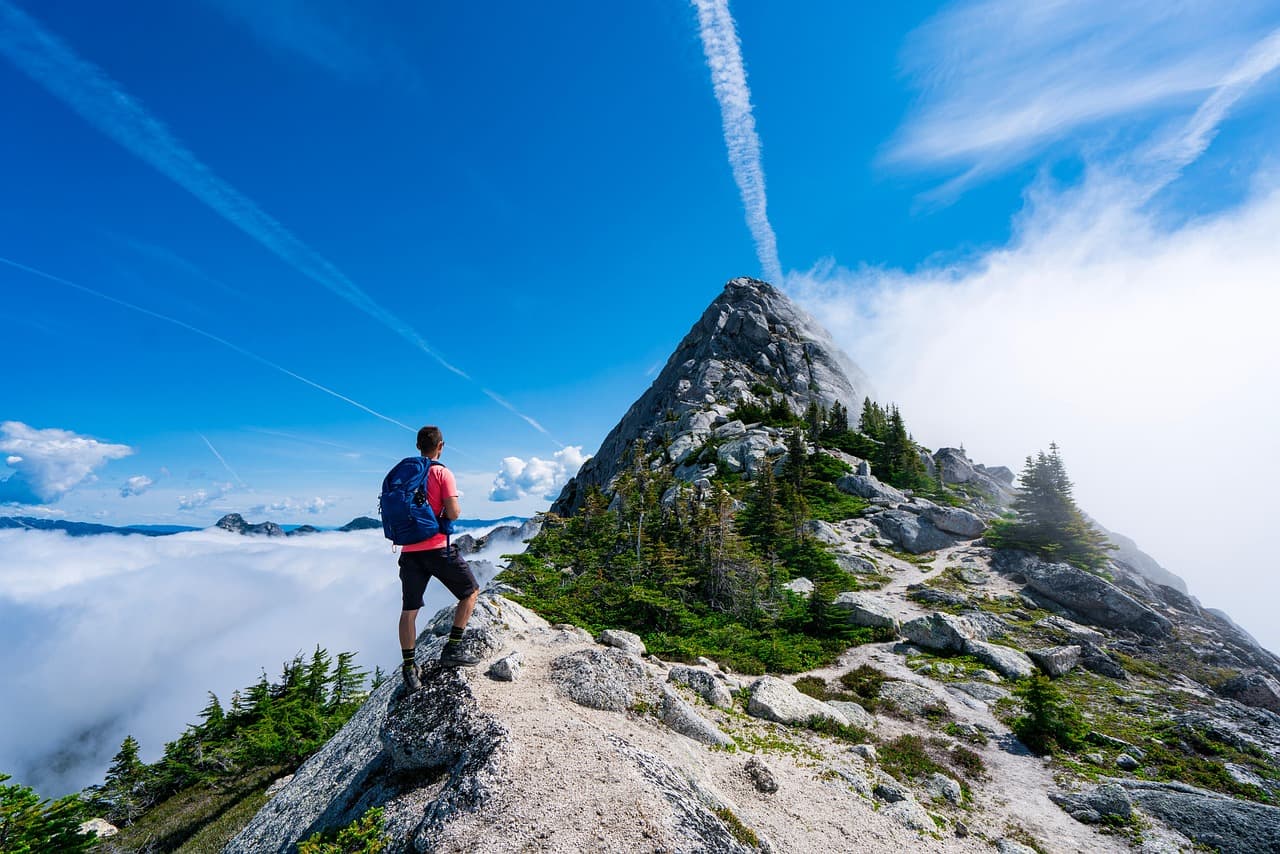
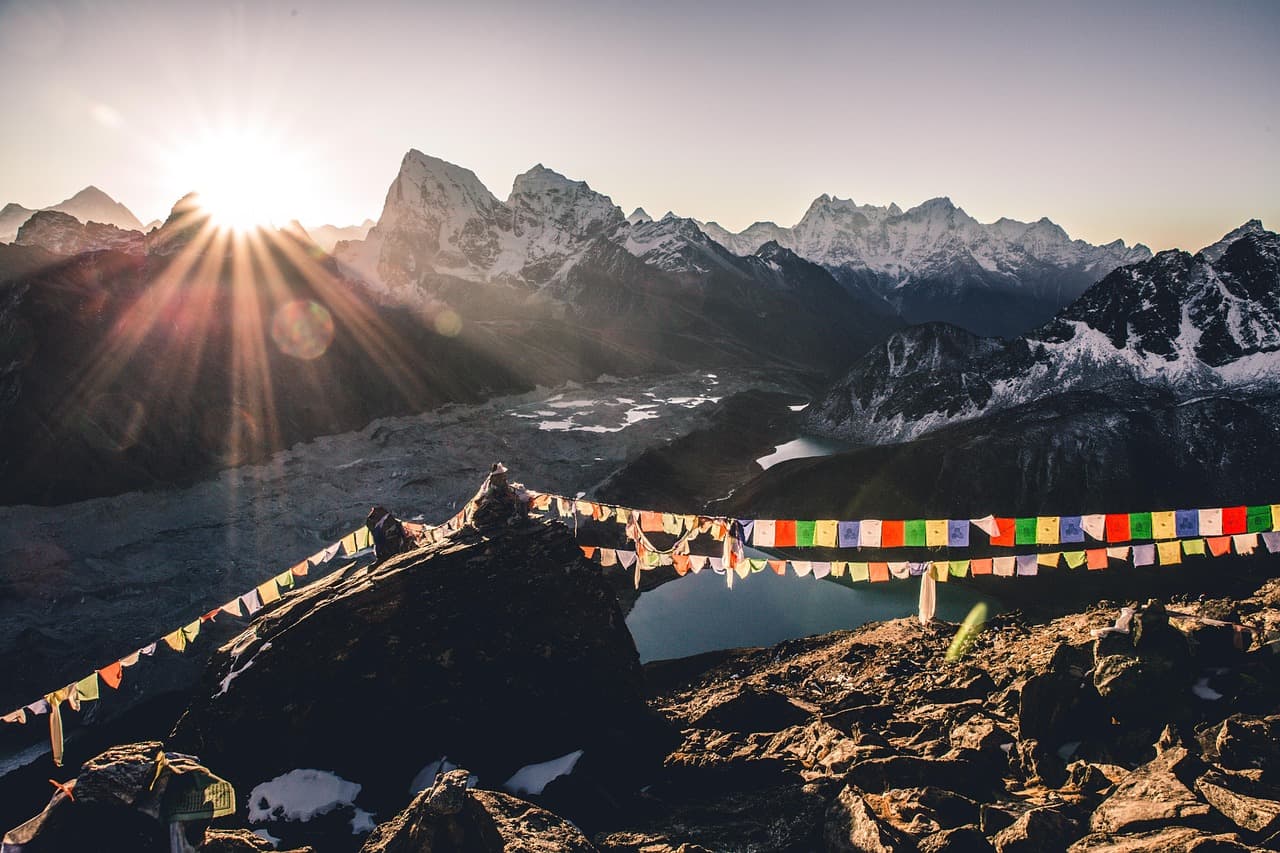
The Brahmatal trek, devoted to Lord Bhrama, is another Himalayan gem that no hiker has ever seen. It could be exquisitely on the list of Himalayas coated in snow. You can see the oak and rhododendron from the way, dating back hundreds of years. The numerous areas of Roopkund Trek can be seen while strolling through meadows next to Brahamatal Ridge. With clear weather, your heart will melt at the sight of the Garhwal Foothills in the mountains. Important Notes Acclimatization: Acclimatization is important due to the high altitude. Food and Accommodation: Camping in tents is the primary accommodation option. It is advisable to carry your food or hire a local cook when trekking. Water Sources: There may be limited water sources along the route, so carrying sufficient water is recommended. Mythological Significance: It is believed that Brahmatal is the place where Lord Brahma meditated.
Key features and unique experiences
Complete journey time
Peak elevation
Stay arrangement
Challenge intensity
Start early from Dehradun (6:00 AM) for a long but spectacular drive of approximately 290 km. The route follows the Alaknanda and Pindar rivers, passing through the famous 'Prayags' (confluences) like Devprayag and Rudraprayag. Arrive at Lohajung (7,660 ft), the base village for the trek, by evening. Overnight stay in a guest house/hotel.
Accommodation: 1 night in a hotel/guesthouse in Sankri and 4 nights of stay in high-quality alpine tents (twin-sharing) during the trek.
Meals: All nutritious meals from Sankri to Sankri with a customizable menu featuring both vegetarian and non-vegetarian options (subject to availability).
Sleeping Gear: Dry-cleaned sleeping bags and insulated mattresses provided with individual fresh fleece liners for enhanced hygiene.
Camp Amenities: Provision of camping chairs and tables at the campsites for a comfortable experience, along with clean and hygienic traditional cat-pit style toilets.
Professional Staff: Services of a well-experienced local guide who is an expert in the regional topography and trail safety.
Permits & Fees: All necessary camping and trekking permissions, including forest department entry fees and local administration permits.
Offloading Service: Inclusion of rucksack offloading for 1 bag per trekker (up to 15 kg), allowing you to trek with just a light daypack.
Rental Access: Option to rent specialized trekking equipment directly from the base camp if required.
Meals/Services: Any meals or services not explicitly mentioned in the itinerary or inclusion list.
Contingency Costs: Any additional costs for accommodation and food arising from unforeseen circumstances like landslides, roadblocks, or bad weather.
Insurance: Personal travel, medical, or adventure insurance is not included in the package.
Beverages: Alcohol, soft drinks, bottled water, and other canned beverages are excluded.
Personal Expenses: Expenses such as tips for guides/porters, telephone calls, laundry, and other personal purchases.
Equipment Fees: Any specific charges for professional video cameras, still cameras, or drone permits imposed by forest authorities.
Ideal seasons and weather conditions
Everything you need to know before booking
Brahmatal is considered an easy-to-moderate trek. While it is a simple walk in the summer, it becomes more challenging in winter due to heavy snow. Temperatures can drop to -12°C in January, making it a test of endurance for beginners.
Yes, it is an excellent introductory high-altitude trek. however, physical fitness is mandatory. We recommend that beginners start a cardio routine at least 3-4 weeks before the trek to handle the steep ridge sections comfortably.
Absolutely. From late December through February, the trail is typically blanketed in snow. In December, daytime temperatures hover around 9°C, but the risk of fresh snowfall remains high, turning the trail into a winter wonderland.
It is famous for its never-ending ridgelines, expansive alpine meadows (Bugyals), and two high-altitude lakes. The 360-degree views of Mt. Trishul and Nanda Ghunti from the ridge are among the best in the Indian Himalayas.
In November and December, temperatures fluctuate between -1°C and -5°C. The coldest months are January and February, where night temperatures can plummet to between -5°C and -15°C.
The closest airport is Pantnagar Airport (PGH), approximately 250 km from Lohajung. However, most trekkers prefer flying into Jolly Grant Airport (DED) in Dehradun due to better connectivity and more transport options to the base camp.
By booking, you agree to our Terms & Privacy Policy
Customize your trek with our experienced guides. Get personalized recommendations and answers to all your questions.
Discover the must-visit places along your journey