
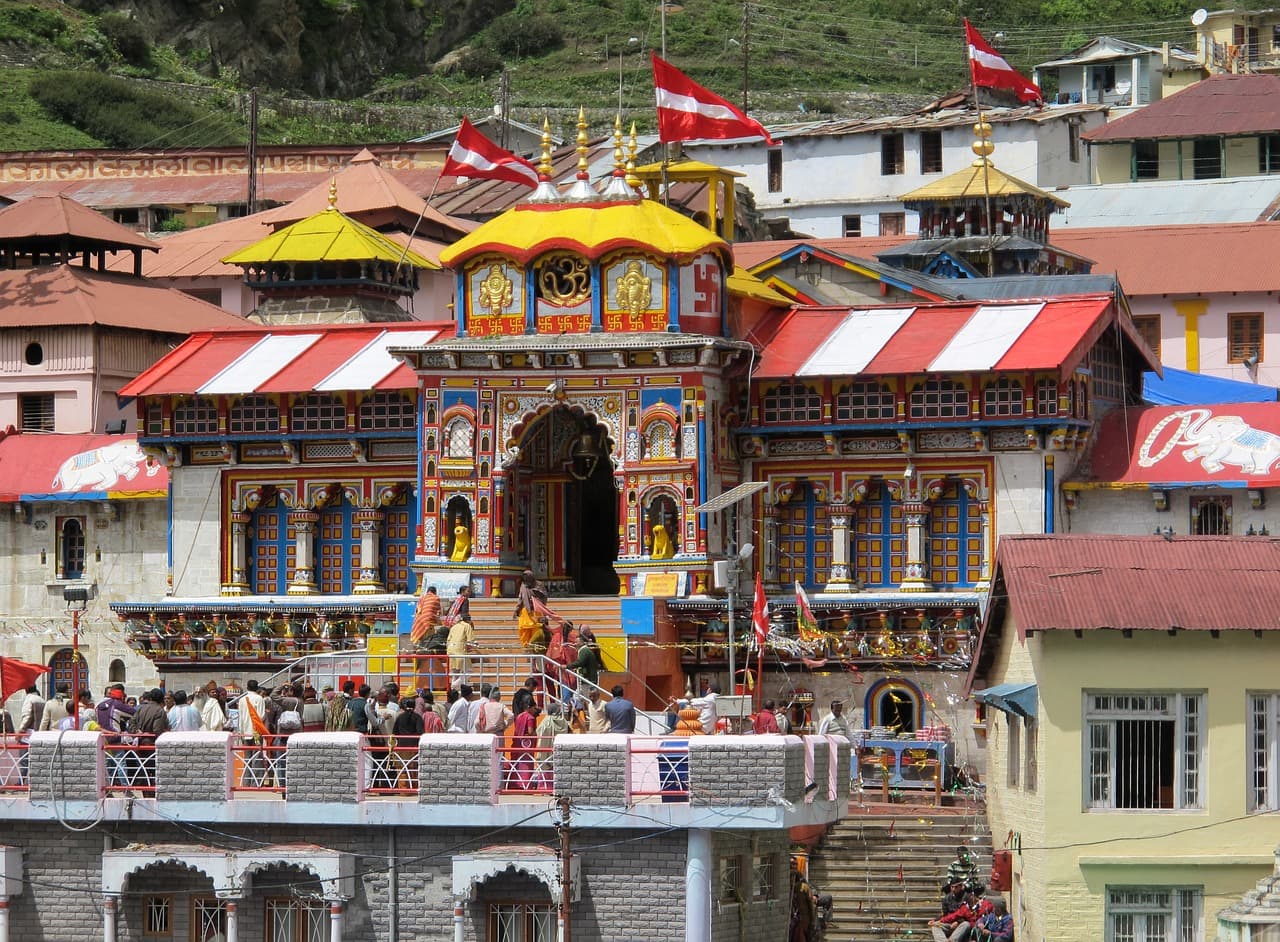
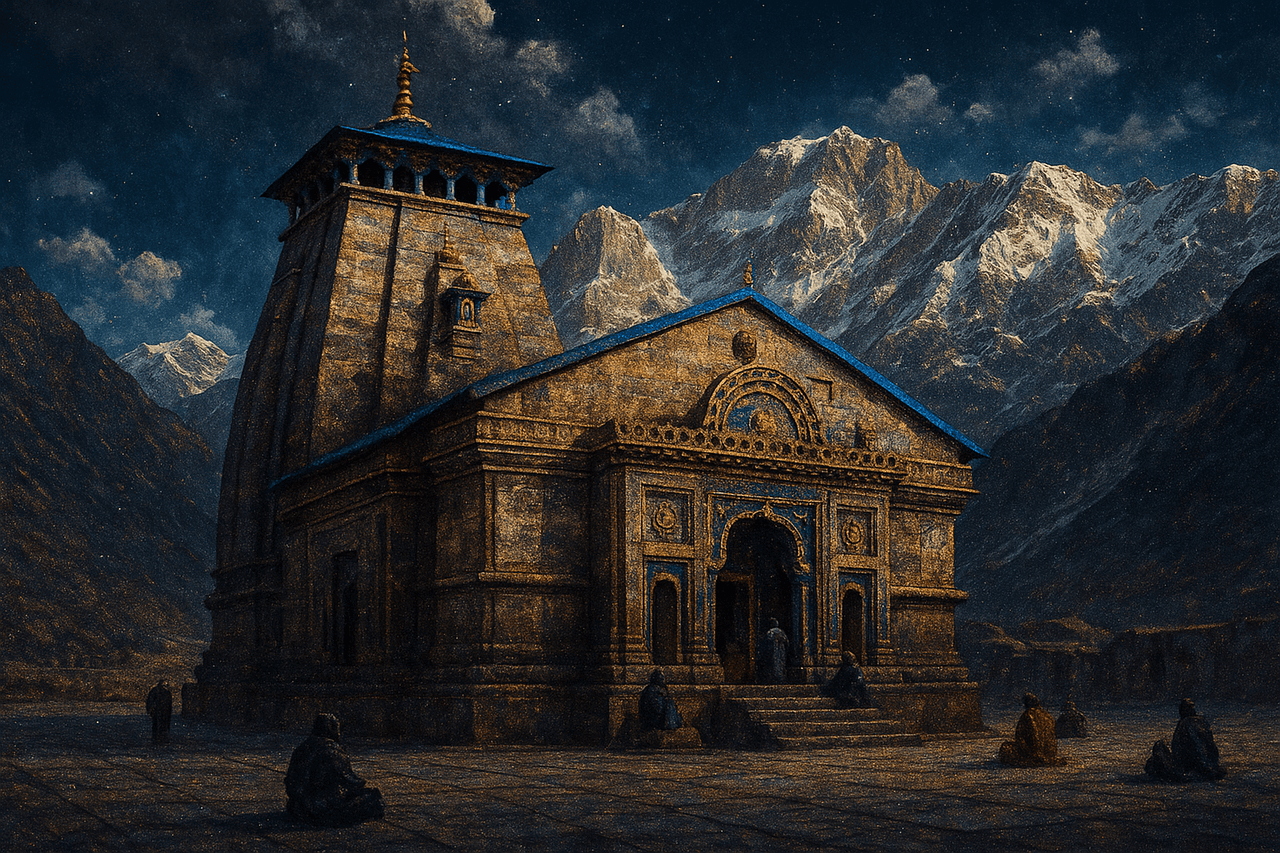
The Char Dham Yatra, a cornerstone of Hindu spirituality, represents a journey to four sacred shrines nestled in Uttarakhand’s Garhwal Himalayas: Yamunotri, Gangotri, Kedarnath, and Badrinath. Rooted in ancient traditions and revitalized by modern infrastructure, this pilgrimage offers devotees a path to spiritual liberation (moksha) while immersing them in the awe-inspiring grandeur of the Himalayas. As the 2025 season commences on April 30 with the opening of Yamunotri and Gangotri temples, this overview synthesizes the yatra’s historical, cultural, and logistical dimensions, drawing from updated guidelines and centuries-old practices. The Char Dham Yatra’s conceptual foundation is attributed to the 8th-century philosopher Adi Shankaracharya, who codified the original Char Dham Yatra (four abodes) as Badrinath (North), Puri (East), Rameswaram (South), and Dwarka (West). The Uttarakhand circuit, often termed Chota Char Dham, emerged later as a condensed pilgrimage for devotees unable to traverse the subcontinent. By the 19th century, improved infrastructure under Garhwal monarchs like Maharaja Pratap Shah transformed these remote shrines into accessible spiritual hubs. Undertaking the yatra is believed to cleanse sins, break the cycle of rebirth, and grant moksha (liberation). Each site embodies distinct cosmological principles: Yamunotri (3,293 meters): The Yamuna River’s source, governed by Goddess Yamuna, symbolizes purification. Pilgrims cook rice in Surya Kund’s thermal springs, offering it as prasad to initiate their spiritual journey. Gangotri (3,042 meters): The Bhagirathi River’s origin, revered as Goddess Ganga’s earthly descent. Evening aarti ceremonies here resonate with Vedic hymns, amplifying the site’s sanctity. Kedarnath (3,583 meters): Among Shiva’s twelve Jyotirlingas, this temple’s survival of the 2013 floods is hailed as divine intervention. The 16-km trek from Gaurikund tests devotees’ resolve, mirroring Shiva’s ascetic nature. Badrinath (3,133 meters): Dedicated to Vishnu’s Badri (berry) incarnation, its architecture reflects Buddhist influences, underscoring Hinduism’s syncretic history. The adjacent Tapt Kund hot springs are integral to pre-darshan rituals. The pilgrimage’s clockwise route—Yamunotri → Gangotri → Kedarnath → Badrinath—aligns with Vedic rituals, progressing from purification (Yamuna) to enlightenment (Vishnu). Originally, the term “Char Dham Yatra” referred to a different pilgrimage circuit encompassing four important temple cities across India — Puri, Rameswaram, Dwarka, and Badrinath — located roughly at the four cardinal points of the subcontinent. This original circuit was established by the 8th-century philosopher Shankaracharya (Adi Sankara). Until the 1950s, these sanctuaries were accessible only by arduous walking trails, but accessibility improved significantly after India’s 1962 war with China prompted infrastructure development in the region. Health Advisories: Twenty medical relief posts will screen pilgrims for altitude sickness, while biometric IDs track movement for safety. COVID-19 protocols require vaccination certificates or RT-PCR tests (72-hour validity).
Key features and unique experiences
Complete journey time
Peak elevation
Stay arrangement
Challenge intensity
Activities: Acclimatization; evening Ganga Aarti at Har Ki Pauri. Travel: 4–5-hour drive from Delhi to Haridwar.
Transportation: Comfortable vehicles for travel between destinations.
Accommodation: Hygienic hotels or resorts at various stops along the journey.
Meals: Usually on a Modified American Plan (MAP) basis, including breakfast and dinner.
Guide Services: Knowledgeable guides for assistance throughout the pilgrimage.
Temple Visits: Organized visits to all four Char Dham Yatra temples.
Personal expenses (snacks, beverages, shopping).
Travel insurance (highly recommended).
Additional sightseeing not specified in the package.
Porter/Pony Charges: ₹1,500–₹3,000 per trek segment.
Special Pujas: Rudrabhishek rituals require advance booking (₹5,000–₹10,000).
Ideal seasons and weather conditions
Everything you need to know before booking
Yes, it is a pilgrimage suitable for all. However, it requires good physical health as the trekking portions (Kedarnath and Yamunotri) can be strenuous.
Yes, Biometric Registration is mandatory for all pilgrims undertaking the Char Dham Yatra.
By booking, you agree to our Terms & Privacy Policy
Customize your trek with our experienced guides. Get personalized recommendations and answers to all your questions.
Discover the must-visit places along your journey