Main trek view
trek view
HomeTreksJhirna Zone: The Year-Round Safari Experience of Jim Corbett National Park

Jhirna Zone: The Year-Round Safari Experience of Jim Corbett National Park

Uttrakhand

Jhirna Zone lies 16 km from Ramnagar, accessible via the Khar Gate or Dhela Gate. Originally farmland belonging to Jhirna, Dhara, and Kothirau villages, the area was incorporated into the Corbett Tiger Reserve in 1994 under Project Tiger. The relocation of villages allowed the land to regenerate into dense forests and grasslands, now teeming with wildlife. The Jhirna Zone’s terrain includes dry deciduous forests, riverine belts, and expansive chaurs (grasslands), notably the Laldhang Chaur, a prime grazing ground for herbivores like spotted deer (chital), sambar, and wild boar. These habitats attract predators such as tigers and leopards, making Jhirna a hotspot for wildlife enthusiasts. Unlike other zones that close during monsoons (July–October), Jhirna remains accessible year-round, weather permitting. Safari Logistics Timings: Morning: 6:00 AM–9:30 AM (November–February); 5:30 AM–9:00 AM (March–June). Evening: 2:30 PM–6:00 PM (November–February); 3:00 PM–6:30 PM (March–June). Vehicle Capacity: 6 adults + 2 children per jeep; mandatory guide. Booking: Open 45 days in advance for Indians, 90 days for foreigners. Jhirna’s revival exemplifies successful habitat restoration, with tiger density increasing by 18% since 2015. Visitors must adhere to: Silence protocols during safaris. No plastic policy; biodegradable waste only. Vehicle limits: 30 jeeps/day to minimize ecological disruption.

Highlights

Key features and unique experiences

Royal Bengal Tigers: Explore the world's highest density tiger territory and catch a glimpse of this majestic predator in the grasslands of Dhikala and Bijrani.
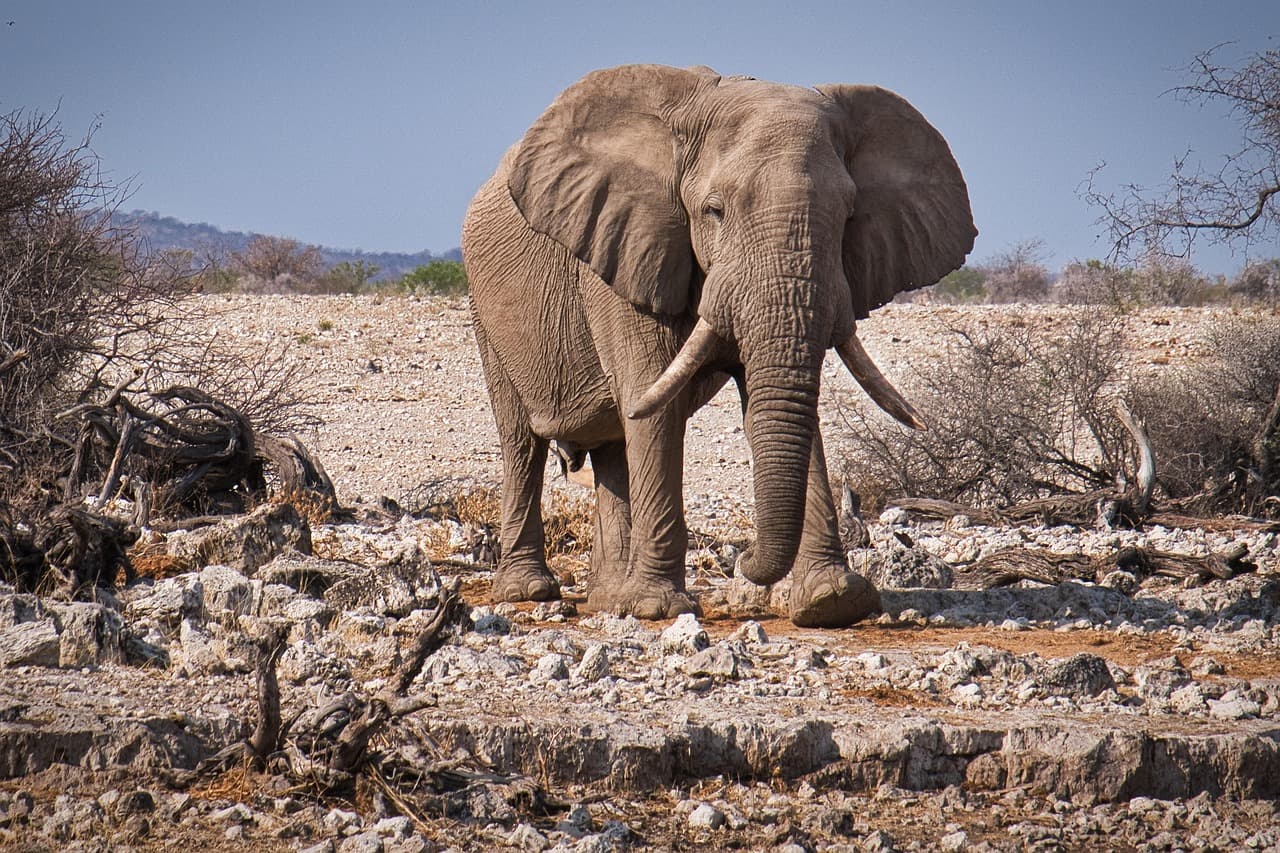
Asian Elephant Herds: Witness massive herds of wild elephants roaming the riverine belts and crossing the Ramganga River—a sight unique to the foothills of the Shivaliks.
India's First National Park: Immerse yourself in the rich history of Corbett, established in 1936 as Hailey National Park, marking the birthplace of wildlife conservation in India.
Breathtaking River Landscapes: Enjoy the scenic beauty of the Ramganga and Kosi rivers, which serve as the lifelines for the park's diverse flora and fauna.
Rich Avian Diversity: Spot over 600 species of resident and migratory birds, including the Great Hornbill, Crested Serpent Eagle, and various vibrant kingfishers.
Dhikala Forest Lodge: Experience a rare opportunity to stay overnight deep inside the core zone of the tiger reserve in a historic, century-old forest rest house.
Ancient Sal Forests: Drive through dense, moist deciduous forests dominated by towering Sal trees, offering a primeval jungle atmosphere unlike any other park.
Reptilian Wonders: Observe the prehistoric-looking Gharials and Mugger crocodiles basking on the banks of the Ramganga reservoir.
1
days

Duration

Complete journey time

Perfect length
1120M
m

Altitude

Peak elevation

High altitude
Rooms
nights

Accommodation

Stay arrangement

Comfort stays
Easy

Difficulty

Challenge intensity

Skill required

Detailed Itinerary

Arrive at Ramnagar and check into your wildlife resort. After a fresh lunch, proceed for your jeep safari in the Jhirna Zone. In Winter (November to February), the morning safari runs from 06:00 AM – 09:30 AM and the evening session from 02:30 PM – 06:00 PM. During Summer (March to June), the morning safari is from 05:30 AM – 09:00 AM and the evening session from 03:00 PM – 06:30 PM. This zone is famous for its bamboo forests and the Laldhang Chaur, providing a high probability of spotting Sloth Bears, Elephants, and the Royal Bengal Tiger. Return to the resort for dinner and an overnight stay.

Inclusions

Accommodation: 11 nights of stay in high-quality alpine tents (twin-sharing) and hotels/guest houses at base camps.

Transportation: Seamless transfer between Ramnagar and the Jhirna Zone entry gate.

Safari Vehicle: Dedicated 4x4 Gypsy/Jeep specifically authorized for forest safari use.

Permits & Fees: All-inclusive entry permits, road tax, and the mandatory services of a forest guide/naturalist.

Safari Session: Full safari charges for one designated shift (either Morning or Afternoon).

Child Policy: Complimentary entry for children below the age of 10 years (as per forest department guidelines).

Exclusions

Meals & Refreshments: Food and beverages (unless part of a longer residential package).

Personal Expenses: Costs for laundry, phone calls, tips/gratuities, and mandatory camera fees.

Accommodation: Overnight stays (typically not included for 1-day safari bookings unless specified).

Transit to Ramnagar: Transport costs to and from Ramnagar from other cities/locations.

Elephant Safari: Costs for elephant rides, which are very limited and not guaranteed.

Station Transfers: Pick-up and drop-off services at the railway station (chargeable at ₹1,000–2,000 per jeep).

Packing Essentials

1
Earth-Toned Clothing
Wear khaki, olive green, or brown shades to blend into the forest environment; avoid bright colors like red or white which can distract or startle wildlife.
2
Dust Protection
A scarf, buff, or bandana is essential to protect your face and mouth from the fine dust kicked up by safari jeeps on the forest tracks.
3
Seasonal Layers
Heavy woolens and windcheaters for winter morning safaris (which can be freezing in open jeeps), and light, breathable cottons for the summer heat.
4
Optical Gear
A pair of binoculars for birdwatching and a camera with a telephoto lens (300mm+) to capture clear shots of predators from a safe distance.
5
Sun & Skin Protection
Wide-brimmed hats, polarized sunglasses, and high-SPF sunscreen to guard against the harsh sun during the 3.5-hour open-air safari.
6
Mandatory Identification
The original physical copy of the ID proof (Aadhaar, Passport, or DL) used during the permit booking process is required at the entry gate.

Safety Considerations

1
Stay Inside the Vehicle
It is strictly forbidden and dangerous to step out of the Jeep inside the reserve, except at designated fenced areas or forest rest houses.
2
Maintain Silence
Loud noises can startle wild animals, especially elephants and tigers, leading to unpredictable behavior; keep conversations at a whisper during sightings.
3
Distance from Wildlife
Always follow the guide's instructions to maintain a minimum distance of 30 meters from elephants and other large mammals to avoid aggressive encounters.
4
No Feeding or Littering
Feeding wild animals is a punishable offense that disrupts their natural diet. Carry all trash back to the resort to keep the habitat pristine.
5
Adhere to Track Routes
The driver must stay on the designated forest tracks; off-roading is prohibited as it destroys the undergrowth and disturbs the wildlife's territory.
6
Flash Photography Prohibited
The use of flash is strictly banned as it can blind or irritate animals. Ensure your camera's flash is turned off before entering the park.

Best Time to Visit

Ideal seasons and weather conditions

1
Summer (May to June)
The most popular window when the snow has receded from the lower trails. Daytime temperatures are pleasant (15°C to 20°C), though Tapovan remains chilly. Visibility is excellent for witnessing the Bhagirathi peaks and Mt. Shivling.
2
Post-Monsoon (September to October)
Considered the best time for photography due to crisp, clear skies and washed-clean landscapes. The autumn colors in the Bhojbasa valley are stunning, and the nights are colder, often dropping below freezing at Tapovan.
3
Monsoon Caution (July to August)
Trekking is possible but challenging due to heavy rains, landslides on the drive to Gangotri, and slippery trails. However, the flora is at its peak and the crowds are minimal for those seeking solitude.
4
Winter (November to April)
The trek is generally closed or highly restricted during deep winter as the trail from Gangotri to Gaumukh is buried under several feet of snow and the temple itself remains closed for the season.

Physical Requirements

1
Difficulty Level
Categorized as Easy to Moderate; while the safari is conducted in a vehicle, the bumpy forest terrain requires basic physical resilience for 3-4 hours of travel.
2
Health Conditions
Not recommended for individuals with severe back or neck issues due to the jerky movements of the 4x4 Jeep on unpaved jungle tracks.
3
Dust Sensitivity
Participants with asthma or respiratory allergies should take precautions, as the open-top Gypsies are exposed to significant dust during the dry season.
4
Sun & Heat Endurance
The ability to withstand direct sunlight and high temperatures is necessary, especially during the afternoon safaris in the summer months.

How to Reach

1
By Air
The nearest airport is Pantnagar (PGU), located approximately 80 km from Ramnagar. Regular flights operate from Delhi. From the airport, you can hire a private taxi to reach Ramnagar in about 2 hours.
2
By Rail
Ramnagar (RMR) is the nearest railway station and is well-connected to Delhi, Lucknow, and Haridwar. Popular trains include the Ranikhet Express and the Corbett Link Express. The station is only 5 km from the Jhirna entry gate.
3
By Road
Ramnagar has a strong road network with Delhi (260 km). State-run buses and private volvos operate daily from ISBT Anand Vihar. The drive takes roughly 6-7 hours via Hapur and Moradabad.
4
Local Transport to Jhirna
Jhirna Zone is accessed via the Dhela Gate, situated about 15-20 km from Ramnagar city. Only registered 4x4 safari Gypsies are allowed to transport tourists from the city/resort to the entry point.

FAQ

Everything you need to know before booking

Jhirna offers year-round access, unlike Dhikala which is seasonal. While Bijrani has denser forests, Jhirna’s open grasslands improve visibility for spotting herbivores and predators like tigers and sloth bears.

Most safari packages exclude meals. However, the Forest Rest House (FRH) canteens serve buffet-style Indian cuisine. It is highly advisable to pre-book meals if you are planning an extended stay.

No. Safaris require official permits booked via authorized agents or the Jim Corbett official portal. Walk-in bookings are unavailable, and permits often sell out weeks in advance.

No. Safari operations are strictly limited to daylight hours. For enthusiasts, special permits for bird photography 'hides' are available for approximately ₹2,000/day.

Trained guides must maintain a minimum distance of 30 meters from elephant herds. All safari jeeps are equipped with communication devices to contact the range office in case of emergencies.

Reserve Your Spot

10000per person
Secure Booking
Instant Confirmation

By booking, you agree to our Terms & Privacy Policy

Tailor Your Trip

Customize your trek with our experienced guides. Get personalized recommendations and answers to all your questions.

24/7 Support
Expert Guides
Free Advice

Major Attractions

Discover the must-visit places along your journey

8 attractions across 8 categories

Filter by Category

Jhirna Safari Zone

Wildlife/Nature#1

Garjiya Devi Temple

Cultural/Spiritual#2

Corbett Museum (Kaladhungi)

Heritage/Historical#3

Corbett Falls

Nature/Picnic Spot#4

Kosi River

Nature/Adventure#5

Hanuman Dham

Spiritual/Architectural#6