
Main trek view
trek view
HomeTreksPanch Badri Circuit

Panch Badri Circuit

Uttrakhand

The Panch Badri Circuit connects five holy temples of Lord Vishnu, each representing a different divine form and phase. This pilgrimage blends spirituality, mythology, and breathtaking Himalayan landscapes.

Highlights

Key features and unique experiences

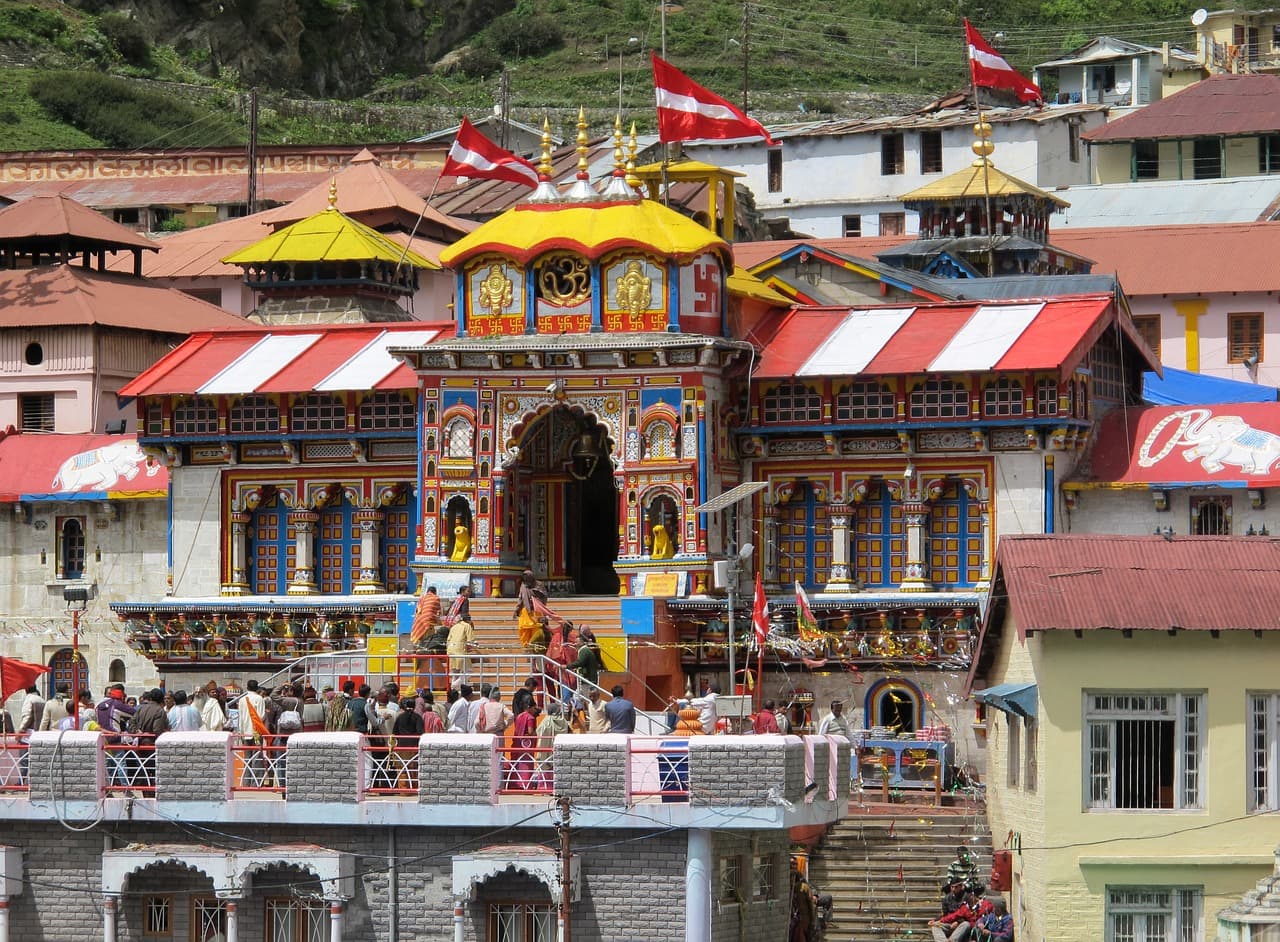
Vishal Badri (Badrinath): The main shrine and spiritual heart of the circuit.
Adi Badri: Ancient temple complex linked to Adi Shankaracharya.
Vridha Badri: Vishnu worshipped in old age form.
Bhavishya Badri: The future seat of Lord Vishnu.
Yogdhyan Badri: Vishnu in deep meditation posture.
Scenic Himalayan drives, rivers, forests, and peaceful mountain villages.
5
days

Duration

Complete journey time

Perfect length
12000 ft
m

Altitude

Peak elevation

High altitude
Hotel/Tents
nights

Accommodation

Stay arrangement

Comfort stays
Hard

Difficulty

Challenge intensity

Skill required

Detailed Itinerary

Morning (6:00 AM – 12:00 PM): Travel to Adi Badri. Location: Near Karanprayag, Chamoli district. Duration: 6–7 hours drive. Activity: Scenic drive through Devprayag and Rudraprayag. Afternoon (12:30 PM – 2:00 PM): Visit Adi Badri Temple. Activity: Darshan and exploration of 16 ancient temples. Significance: Early worship place of Lord Vishnu. Duration: 1–1.5 hours. Cost: Free entry. Tips: Carry water and light snacks. Respect temple silence and dress modestly. Evening: Check-in at hotel near Karanprayag / Joshimath. Estimated Stay Cost: ₹1,500 – ₹3,500 per night.

Inclusions

Complete Panch Badri Circuit covering: Vishal Badri (Badrinath), Adi Badri, Vridha Badri, Bhavishya Badri, Yogdhyan Badri.

All temple visits and darshan assistance.

Accommodation on double/triple sharing basis (as per package category).

Daily breakfast and dinner.

Comfortable transportation for the entire circuit (Tempo Traveller / SUV / Bus).

Experienced driver with hill driving expertise.

Toll, parking, and state taxes.

Basic first-aid support.

Sightseeing as per itinerary.

Local guide assistance at major temples (optional, if required).

Exclusions

Any kind of personal expenses.

Laundry.

Phone calls.

Tips.

Extra snacks and beverages.

Lunch during the tour.

VIP darshan or special puja charges.

Pony, palki, or porter charges (if required).

Adventure activities or treks not mentioned in the itinerary.

Camera or video fees (if applicable at any location).

Medical or emergency evacuation costs.

Travel insurance.

Any cost arising due to landslides, road blockages, or weather conditions.

Anything not specifically mentioned in the “Inclusions” section.

Packing Essentials

1
Warm Layered Clothing
Thermal innerwear, fleece or woolen mid-layers, and a warm jacket to protect against cold temperatures, especially in Badrinath and Joshimath.
2
Rain Protection
Lightweight rain jacket or poncho, as sudden बारिश (rain) is common in the mountains, especially during monsoon months.
3
Comfortable Footwear
Sturdy walking shoes or trekking shoes with good grip for temple visits and the short trek to Bhavishya Badri.
4
Personal Medicines & First Aid
Regular medicines, basic first-aid kit, pain relief spray, and medicines for altitude, cold, or motion sickness.
5
Identity Documents
Valid photo ID proof with a few photocopies, useful for hotel check-ins and emergencies.
6
Power Bank & Torch
Power bank for charging phones in areas with limited electricity and a small torch for night use.
7
Personal Hygiene Items
Toiletries, hand sanitizer, wet wipes, tissues, and towel for personal comfort during travel.
8
Cash and Small Backpack
Carry sufficient cash as ATMs are limited, and a small day backpack for daily temple visits and short treks.

Safety Considerations

1
Fitness & Physical Preparation
A moderate level of fitness is required to handle the steep forest inclines. We recommend a preparation routine of jogging 5 km in 35-40 minutes and leg-strengthening exercises (squats/lunges) starting 2 weeks before the trek.
2
Weather & Temperature Management
The Himalayas are unpredictable; temperatures at the base camp can drop to -5°C even in non-winter months. Trekkers must use a 3-layer clothing system (base, insulation, and shell) to prevent hypothermia during cold nights.
3
Winter Trail Protocol
During winter (Dec-Feb), the trail above the Nag Devta temple often turns into hard ice or 'verglas'. The use of micro-spikes and gaiters is mandatory in these conditions to prevent slips on steep summit sections.
4
Altitude & Hydration
While Nag Tibba (9,915 ft) is below the typical threshold for severe AMS, rapid ascent can cause mild headaches or fatigue. Consuming 3-4 liters of water daily and ascending at a steady, rhythmic pace is crucial for acclimatization.
5
Camping & Amenity Reality
Expect basic wilderness camping with dry pit toilets and no electricity or running water. Trekkers should carry fully charged power banks and avoid wandering away from the designated campsite after dark to ensure group safety.
6
Wildlife & Trail Etiquette
The Nag Tibba range is a habitat for bears and leopards. Trekkers must stay with the group, avoid playing loud music, and ensure no food waste is left outside tents, as this can attract wild animals to the campsite.

Best Time to Visit

Ideal seasons and weather conditions

1
Peak Bloom Season (July to August)
This is the best and most popular time to visit the Valley of Flowers when the entire valley transforms into a vibrant carpet of alpine blooms such as blue poppy, primula, and cobra lily. The monsoon showers enhance the freshness of the landscape, and waterfalls are at their fullest.
2
Early Season (June)
During early June, the valley begins to open after winter with melting snow and fresh greenery. Flower variety is limited compared to peak season, but the trails are quieter and surrounded by snow-clad peaks, offering a peaceful trekking experience.
3
Late Season (September)
By September, the flowers begin to fade and the valley turns into shades of gold and green. Skies are clearer after the monsoon, making it an excellent time for mountain views and photography, with fewer crowds on the trail.
4
Off-Season (October to May) - NOT ACCESSIBLE
The Valley of Flowers remains closed due to heavy snowfall and extreme weather conditions. Trails are buried under snow, and trekking routes are unsafe and inaccessible during this period.

Physical Requirements

1
Difficulty Level
Categorized as Challenging/Tough (Level 6), involving technical glacier and pass crossings
2
Prior Experience
Mandatory completion of at least 2 high-altitude treks ranging between 3,500m and 4,500m
3
Fitness Level
Requires high cardiovascular endurance, core strength, and physical flexibility for technical terrain
4
Age Range
Typically recommended for fit individuals within the 18-48 years age bracket

How to Reach

1
By Air
The nearest airport is Jolly Grant Airport (DED) in Dehradun. From the airport, you can travel by taxi or bus to Haridwar or Rishikesh and then continue toward Karanprayag, Joshimath, and Badrinath depending on the temple sequence of the Panch Badri Circuit.
2
By Rail
The nearest major railway stations are Haridwar Junction (HW) and Rishikesh Railway Station (YNRK). Both are well connected to Delhi and other major cities. From here, regular buses and shared taxis are available for Karanprayag, Joshimath, and Badrinath.
3
By Road
Haridwar and Rishikesh are well connected by road to all major cities in Uttarakhand and North India. From there, the route goes via Devprayag, Rudraprayag, Karanprayag, and Joshimath to reach Adi Badri, Vridha Badri, Bhavishya Badri, Yogdhyan Badri, and Vishal Badri (Badrinath). Government buses and private taxis are easily available.
4
Local Travel Between Temples
Most Panch Badri temples are accessed by road, while Bhavishya Badri involves a short trek from the nearest motorable point. Local taxis and shared jeeps are commonly used for inter-temple travel during the yatra season.

FAQ

Everything you need to know before booking

The Panch Badri Circuit is a sacred pilgrimage covering five temples of Lord Vishnu in Uttarakhand: Vishal Badri (Badrinath), Adi Badri, Vridha Badri, Bhavishya Badri, and Yogdhyan Badri.

Usually, 4 to 6 days are enough to comfortably complete the circuit, depending on road conditions, weather, and travel pace.

The best time is from May to June and September to October. During monsoon (July–August), landslides may affect travel. Winters are very cold and some routes may close.

Yes, with proper planning. However, Bhavishya Badri involves a short trek, so basic fitness is required. Seniors should consult a doctor before travel.

No special permits are required for Indian citizens. Valid ID proof is enough.

The roads are mountainous and narrow but generally safe. Travel should be done in daylight with experienced hill drivers.

Yes, basic to deluxe hotels and guesthouses are available at Joshimath, Badrinath, and nearby towns. Advance booking is recommended in peak season.

Mostly vegetarian food is available, including simple North Indian meals. Jain food can be arranged with prior notice.

Warm clothes, rain jacket, comfortable walking shoes, personal medicines, power bank and torch, and valid ID proof.

The network is available in major towns like Joshimath and Badrinath. Connectivity may be weak or unavailable in remote areas.

Basic medical facilities are available in Joshimath and Badrinath. Carry personal medicines and a basic first-aid kit.

Photography is usually not allowed inside temple premises. It is permitted outside in most areas.

During peak season, pre-booking is recommended to avoid long waiting times.

It is a short and moderate trek, suitable for beginners with average fitness.

Modest and traditional clothing is advised. Avoid shorts, sleeveless tops, or revealing outfits.

Yes, children can travel safely with proper care, warm clothing, and frequent rest breaks.

Yes, the Panch Badri itinerary can be customized based on time, budget, and comfort preferences.

Badrinath is situated at approximately 3,133 meters (10,279 feet) above sea level.

ATMs are available in Joshimath and a few major towns, but cash should be carried for remote areas.

Because it combines spiritual significance, mythological importance, and Himalayan natural beauty, offering a complete pilgrimage experience.

Reserve Your Spot

11999per person
Secure Booking
Instant Confirmation

By booking, you agree to our Terms & Privacy Policy

Tailor Your Trip

Customize your trek with our experienced guides. Get personalized recommendations and answers to all your questions.

24/7 Support
Expert Guides
Free Advice

Major Attractions

Discover the must-visit places along your journey

9 attractions across 9 categories

Filter by Category

Vishal Badri (Badrinath Temple)

Religious/Main Shrine#1

Adi Badri Temple Complex

Religious/Heritage#2

Vridha Badri Temple (Animath)

Religious/Spiritual#3

Bhavishya Badri Temple

Religious/Trek Route#4

Yogdhyan Badri Temple (Pandukeshwar)

Religious/Meditation Site#5

Tapt Kund (Hot Springs)

Nature/Spiritual#6